
Moving can be a daunting task, filled with logistics, planning, and the ever-present question: "How much can I really fit in this truck?" For many, the Penske 26' box truck is the answer, offering a substantial amount of cargo space. But before you start loading, it's crucial to understand the Penske 26' Box Truck Weight – not just its empty weight, but also its weight capacity and how that impacts your moving strategy. Overloading a truck can lead to serious consequences, including fines, safety hazards, and even damage to the vehicle. This comprehensive guide will delve into all aspects of the Penske 26' box truck weight, providing you with the knowledge you need for a safe and successful move.
Why Understanding Truck Weight Matters
Decoding the Weight Game: Understanding the Penske 26' Box Truck Weight
Beyond the obvious legal implications, understanding the weight limits of a Penske 26' box truck is paramount for several reasons:
- Safety: Overloaded trucks are harder to control, increasing the risk of accidents, especially during braking and turning.
- Legal Compliance: Exceeding weight limits can result in hefty fines and potential delays. Weigh stations are common on major highways and frequently check commercial vehicles.
- Truck Performance: Overloading puts excessive strain on the engine, transmission, and suspension, leading to accelerated wear and tear and potentially causing breakdowns.
- Fuel Efficiency: A heavier load requires more fuel to move, impacting your moving budget.
- Personal Property Protection: Improper weight distribution can lead to shifting cargo, increasing the risk of damage to your belongings.

Section 1: Unveiling the Empty Weight (Curb Weight)
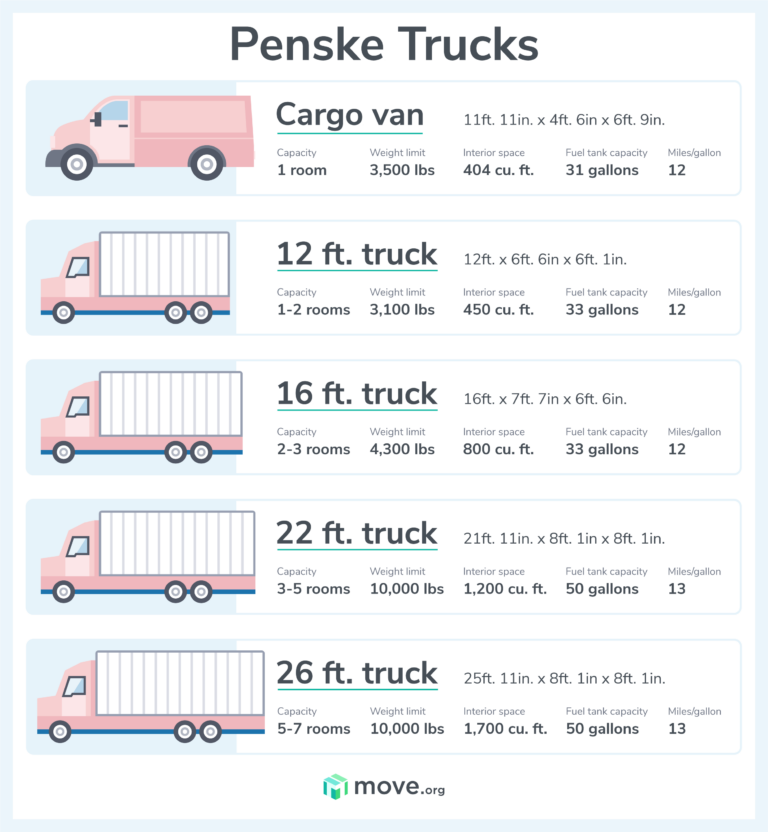
The empty weight, also known as curb weight, refers to the weight of the Penske 26' box truck without any cargo, passengers, or fuel. This is your starting point for calculating how much you can safely load. While the exact curb weight can vary slightly depending on the specific configuration of the truck (e.g., features, optional equipment), a general estimate for a Penske 26' box truck is between 9,000 and 11,000 pounds (4,082 to 4,990 kilograms).
Important Note: This is an estimate. To get the most accurate empty weight, you should:
- Check the Sticker Inside the Driver's Door: Most commercial vehicles have a sticker (often yellow) on the driver's side door jamb that lists the empty weight and other important information, including tire pressure recommendations.
- Ask Penske Directly: Contact the Penske location where you're renting the truck and ask for the specific empty weight of that particular vehicle. This is the most reliable method.

Section 2: The Gross Vehicle Weight Rating (GVWR): Your Maximum Limit
The Gross Vehicle Weight Rating (GVWR) is the maximum permissible weight of the truck, including the empty weight, cargo, passengers, and fuel. This is the absolute weight limit that must not be exceeded. The GVWR for a Penske 26' box truck typically falls between 25,999 and 26,000 pounds (11,793 to 11,794 kilograms). This rating is also found on the sticker inside the driver's door.
Understanding the Math:
To determine how much weight you can actually load into the truck, subtract the empty weight from the GVWR.
- Example: If the GVWR is 26,000 lbs and the empty weight is 10,000 lbs, then the maximum cargo capacity is 16,000 lbs.
Section 3: Calculating Your Cargo Weight: A Practical Guide
Estimating the weight of your belongings can be tricky, but here's a breakdown to help you get a realistic estimate:
- Furniture: Furniture is often heavier than you think. Sofas can weigh anywhere from 150 to 400 lbs, depending on size and materials. Mattresses can range from 50 to 150 lbs. Dressers and tables can also be substantial, easily exceeding 100 lbs each.
- Boxes: The weight of boxes varies significantly depending on their contents. Books, tools, and kitchenware are notoriously heavy. A "heavy" box can easily weigh 50 lbs or more.
- Appliances: Refrigerators, washers, dryers, and stoves are extremely heavy and require careful handling. Consult the manufacturer's specifications or online resources to determine the approximate weight of each appliance.
- Miscellaneous Items: Don't forget to account for smaller items, such as clothing, electronics, and decorations. Even seemingly light items can add up quickly when packed in large quantities.
Tips for Estimating Cargo Weight:
- Weigh Items Individually: Use a bathroom scale to weigh individual boxes or pieces of furniture to get a more accurate estimate.
- Use Online Weight Calculators: Several online tools can help you estimate the weight of common household items.
- Round Up: It's always better to overestimate than underestimate. Add a buffer to your calculations to account for any unforeseen weight.
Section 4: Weight Distribution: The Key to Stability
Simply staying within the weight limit isn't enough. Proper weight distribution is crucial for maintaining stability and control of the truck.
- Heavier Items First: Load heavier items towards the front of the truck, closer to the cab. This helps to distribute the weight more evenly and prevents the rear of the truck from being overloaded.
- Distribute Weight Evenly: Avoid concentrating all the weight on one side of the truck. Distribute the weight evenly from left to right to maintain balance.
- Secure Your Load: Use tie-down straps, ropes, or cargo bars to secure your belongings and prevent them from shifting during transit. Shifting cargo can significantly alter the weight distribution and make the truck unstable.
Section 5: Potential Challenges and Solutions
- Underestimating Weight: The biggest challenge is accurately estimating the weight of your belongings. Use the tips above to get the most accurate estimate possible. If you're unsure, it's always better to err on the side of caution.
- Overloading: If you realize you've overloaded the truck, you have several options:
- Remove Items: The simplest solution is to remove some of your belongings. Consider selling, donating, or storing items you don't need immediately.
- Rent a Second Truck: If you have too much to move in one truck, consider renting a smaller truck or trailer to transport the excess items.
- Hire Movers: If you're overwhelmed by the logistics of moving, consider hiring professional movers. They have the experience and equipment to handle heavy loads safely and efficiently.
- Difficulty Distributing Weight: Large or irregularly shaped items can be difficult to distribute evenly. Try to break down large items into smaller components if possible. Use packing materials to fill in gaps and prevent items from shifting.
Section 6: Avoiding Fines and Penalties
Weigh stations are common along major highways, and commercial vehicles are often required to stop and have their weight checked. Exceeding weight limits can result in significant fines, which can vary depending on the state and the severity of the violation. In some cases, authorities may even require you to unload the excess weight before you can continue your journey.
Tips for Avoiding Fines:
- Stay Within the GVWR: Always stay within the GVWR of the truck.
- Distribute Weight Properly: Ensure that the weight is distributed evenly throughout the truck.
- Be Prepared to Weigh Your Truck: If you're unsure of the weight of your load, consider stopping at a weigh station to have your truck weighed.
Table Price: Penske 26' Box Truck (Estimated)
| Feature | Description | Estimated Value |
|---|---|---|
| Rental Cost (Daily) | Varies based on location, time of year, and availability. | $150 - $300+ |
| Mileage Charge | Typically charged per mile driven. | $0.75 - $1.50/mile |
| Insurance | Required. Options available through Penske or your own provider. | $30 - $100+ /day |
| Fuel | You are responsible for refueling the truck to the level it was at when you picked it up. | Varies based on fuel prices |
| Taxes & Fees | Local taxes and other fees will be added to the total cost. | Varies |
| Moving Supplies | Boxes, tape, blankets, etc. (available for purchase from Penske) | Varies |
| Empty Weight (Curb Weight) | Weight of the truck without cargo, passengers, or fuel. | 9,000 - 11,000 lbs |
| Gross Vehicle Weight Rating (GVWR) | Maximum permissible weight of the truck, including everything. | 25,999 - 26,000 lbs |
| Maximum Cargo Capacity (Estimated) | GVWR minus Empty Weight (Estimated). This number is very important. | 15,000 - 17,000 lbs |
Please Note: These are estimates only. Contact your local Penske rental location for the most accurate pricing and specifications.
Frequently Asked Questions (FAQ)
-
Q: Where can I find the GVWR and empty weight of my Penske truck?
- A: Check the sticker located inside the driver's side door jamb. It will list the GVWR, empty weight, and other important information.
-
Q: What happens if I overload the truck?
- A: You could face fines, delays, and potential damage to the truck. Overloading also increases the risk of accidents.
-
Q: How can I estimate the weight of my belongings?
- A: Weigh individual items, use online weight calculators, and round up your estimates.
-
Q: Is it better to overestimate or underestimate the weight?
- A: It's always better to overestimate to avoid overloading the truck.
-
Q: What should I do if I realize I've overloaded the truck?
- A: Remove items, rent a second truck, or hire professional movers.
-
Q: Does Penske offer moving supplies?
- A: Yes, Penske sells a variety of moving supplies, including boxes, tape, blankets, and tie-down straps.
Conclusion: Weighing Your Options for a Smooth Move
Understanding the Penske 26' Box Truck Weight is crucial for a safe, legal, and efficient moving experience. By carefully calculating the weight of your belongings, distributing the weight properly, and staying within the GVWR, you can avoid fines, prevent accidents, and protect your personal property. Remember to consult the sticker inside the driver's door for the most accurate weight information and don't hesitate to contact Penske directly with any questions. With a little planning and preparation, you can confidently navigate the weight game and enjoy a stress-free move.