
Introduction: Moving Made Easier with U-Haul Car Trailers
Relocating a vehicle can be a logistical nightmare. Whether you're moving across the country, buying a car from out of state, or needing to transport a non-operational vehicle, the process can be expensive and time-consuming. Fortunately, U-Haul offers a convenient and relatively affordable solution: car trailer rental. A U-Haul car trailer allows you to tow your vehicle behind a suitable tow vehicle, eliminating the need for expensive shipping services or driving long distances. This comprehensive guide will delve into every aspect of U-Haul car trailer rental, providing you with the knowledge and confidence to safely and efficiently transport your vehicle. We'll cover everything from choosing the right trailer and understanding the rental process to proper loading techniques and essential safety considerations.
Uhaul Car Trailer Rental: A Comprehensive Guide to Transporting Your Vehicle Safely and Affordably
Understanding the U-Haul Car Trailer Options
U-Haul primarily offers two types of car trailers: the Auto Transport and the Tow Dolly. Each is designed for specific vehicle types and towing requirements. Understanding the differences is crucial for a successful and safe transport.
-
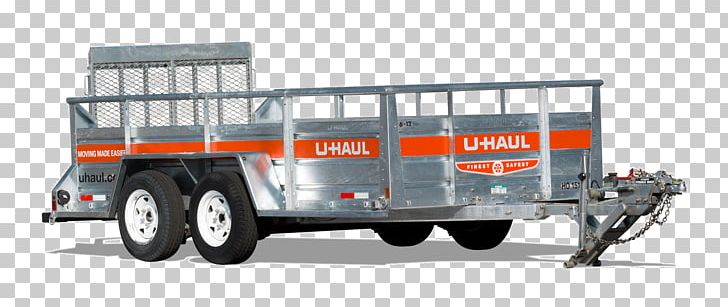
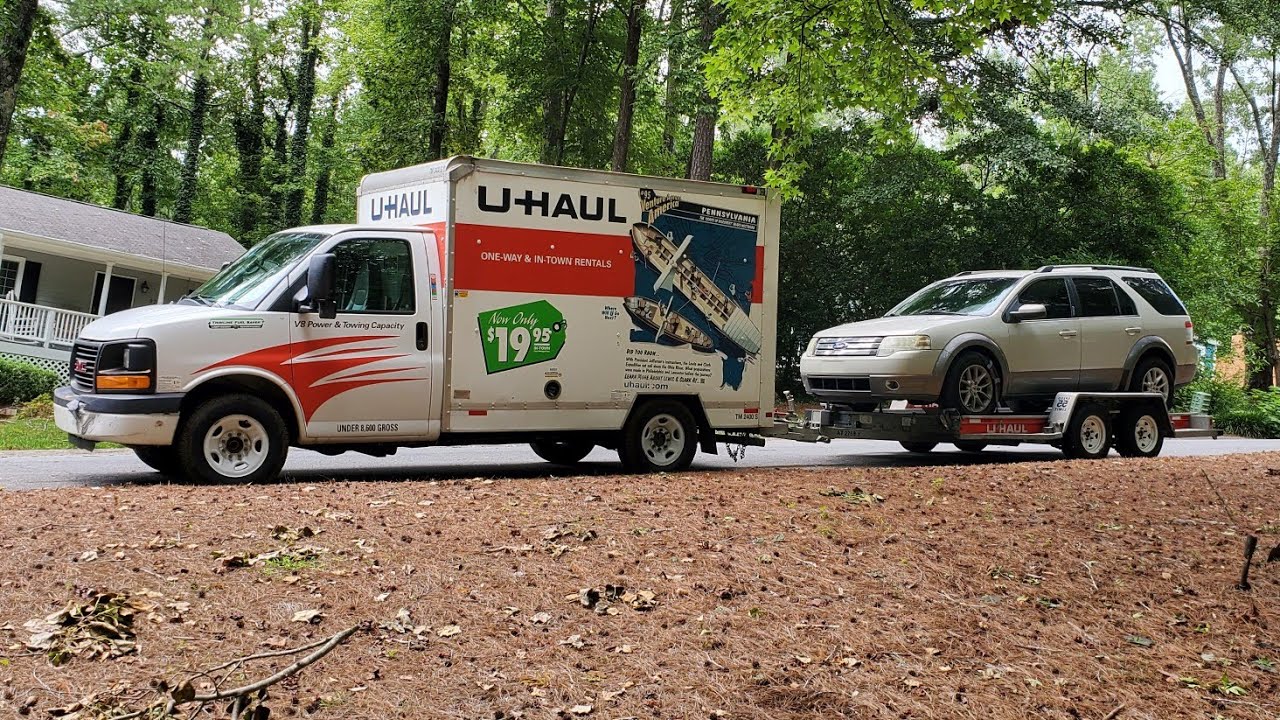
Auto Transport (Full Trailer): This is a full-bed trailer, meaning all four wheels of the towed vehicle are off the ground. It's the preferred choice for longer distances, higher speeds, and protecting the towed vehicle from wear and tear. The Auto Transport is also suitable for vehicles with automatic transmissions, as it eliminates the risk of transmission damage that can occur when towing with all four wheels on the ground. These trailers typically feature ramps for easy loading and unloading and are equipped with safety chains and tie-down straps to secure the vehicle.
-
Tow Dolly (Two-Wheel Trailer): The tow dolly is a smaller, less expensive option where only the front two wheels of the towed vehicle are lifted off the ground. The rear wheels remain on the road. Tow dollies are generally suitable for shorter distances and lighter vehicles. Important note: Towing with a tow dolly requires specific precautions, especially for vehicles with automatic transmissions. Many automatic transmissions can be damaged if the drive wheels are rotating without the engine running. You may need to disconnect the driveshaft (if possible) or consult your vehicle's owner's manual for specific towing instructions. Not all vehicles are compatible with tow dollies.
Choosing the Right Trailer: Compatibility and Requirements
Before you book a U-Haul car trailer, it's crucial to determine compatibility with both your tow vehicle and the vehicle you intend to tow. U-Haul provides online tools and customer service representatives to assist with this process.
- Tow Vehicle Requirements: Your tow vehicle must have a sufficient towing capacity to safely pull the combined weight of the trailer and the towed vehicle. This information can be found in your vehicle's owner's manual or on a sticker inside the driver's side door. The tow vehicle must also be equipped with a properly rated hitch receiver and wiring for trailer lights. U-Haul offers hitch installation services if needed. Don't underestimate the importance of this. Overloading your tow vehicle can lead to serious accidents.
- Towed Vehicle Compatibility: Each U-Haul car trailer has specific weight and size limitations. The towed vehicle's weight must be within the trailer's weight capacity, and its wheelbase and width must fit within the trailer's dimensions. U-Haul's website allows you to enter the make and model of your vehicle to check compatibility.
- Braking Systems: Verify that your tow vehicle's braking system is adequate for the combined weight. Consider the terrain you'll be traveling on. Mountainous areas will require stronger braking capabilities. Some states may require trailers over a certain weight to have their own braking system.
The U-Haul Rental Process: Step-by-Step Guide
Renting a U-Haul car trailer is a straightforward process. Here's a step-by-step guide:
- Online Reservation: Visit U-Haul's website (uhaul.com) and enter your pickup and drop-off locations, dates, and the type of trailer you need.
- Vehicle Information: Provide the make, model, and year of both your tow vehicle and the vehicle you'll be towing. This information is essential for determining compatibility.
- Insurance Options: U-Haul offers various insurance options to protect against damage to the trailer or the towed vehicle. Carefully review these options and choose the coverage that best suits your needs.
- Pickup: On the scheduled pickup day, bring your driver's license and a valid credit card. U-Haul staff will inspect your tow vehicle and trailer connection to ensure it meets safety standards.
- Trailer Inspection: Before leaving the U-Haul location, thoroughly inspect the trailer for any existing damage. Document any scratches, dents, or other issues and report them to U-Haul staff.
- Loading and Securing: Follow U-Haul's instructions for loading and securing your vehicle onto the trailer. Proper loading is crucial for safe towing.
- Return: Return the trailer to the designated U-Haul location on or before the agreed-upon return date. Ensure the trailer is clean and free of debris.
Loading and Securing Your Vehicle: A Safety-First Approach
Properly loading and securing your vehicle onto the car trailer is paramount for safe transport. Follow these steps carefully:
- Positioning the Trailer: Position the trailer on a level surface. Engage the parking brake on both the tow vehicle and the trailer.
- Ramps and Safety Chains: Extend the ramps and secure the safety chains to your tow vehicle's hitch.
- Driving Onto the Trailer: Slowly and carefully drive the vehicle onto the trailer, ensuring it's centered and positioned according to U-Haul's guidelines.
- Securing the Vehicle: Use the provided tie-down straps to securely fasten the vehicle to the trailer. Follow U-Haul's specific instructions for strap placement and tightening. Typically, straps are placed over the tires or around the vehicle's frame.
- Double-Checking: After securing the vehicle, double-check all straps and chains to ensure they are tight and properly positioned.
- Lighting and Connections: Connect the trailer lights to your tow vehicle and verify that all lights are working correctly.
Essential Safety Considerations: Towing Tips and Precautions
Towing a car trailer requires different driving skills and precautions than normal driving. Keep these tips in mind:
- Reduced Speed: Drive at a slower speed than you normally would. U-Haul typically recommends a maximum speed of 55 mph when towing a car trailer.
- Increased Following Distance: Maintain a greater following distance to allow for longer braking distances.
- Wide Turns: Make wider turns to avoid hitting curbs or other obstacles.
- Braking: Brake gradually and smoothly. Avoid sudden braking, which can cause the trailer to sway or jackknife.
- Hill Driving: When driving uphill, downshift to maintain speed and avoid straining the engine. When driving downhill, use a lower gear to control your speed and avoid overheating the brakes.
- Regular Checks: Stop periodically to check the straps, chains, and tire pressure.
- Weather Conditions: Be extra cautious when towing in adverse weather conditions, such as rain, snow, or wind.
Potential Challenges and Solutions
Even with careful planning, you may encounter challenges during your U-Haul car trailer rental. Here are some common issues and potential solutions:
- Trailer Availability: Reserve your trailer well in advance, especially during peak moving seasons.
- Compatibility Issues: Double-check vehicle compatibility before booking. If you're unsure, contact U-Haul customer service for assistance.
- Mechanical Problems: If you experience mechanical problems with the trailer, contact U-Haul roadside assistance immediately.
- Loading Difficulties: If you're having trouble loading the vehicle, ask for assistance from U-Haul staff or a qualified mechanic.
- Tire Problems: Ensure the tires are properly inflated before your trip. Carry a spare tire and know how to change it, or have roadside assistance coverage.
Price of Uhaul Car Trailer Rental
| Trailer Type | Average Daily Rate | Local Move Rate | Long Distance Move Rate | Additional Notes |
|---|---|---|---|---|
| Auto Transport | $54.95 to $74.95 | $54.95 | Varies by distance | Best for 4-wheel-off-the-ground towing, longer distances, and automatic transmission vehicles. |
| Tow Dolly | $44.95 to $64.95 | $44.95 | Varies by distance | Suitable for shorter distances, lighter vehicles, and some front-wheel-drive vehicles. Verify compatibility with automatic transmissions. |
-
Note: Prices are subject to change based on location, availability, and time of year. It's recommended to check the U-Haul website or contact U-Haul directly for the most accurate and up-to-date pricing. Frequently Asked Questions (FAQ)
-
Q: What is the maximum speed limit when towing a U-Haul car trailer?
- A: U-Haul typically recommends a maximum speed of 55 mph when towing a car trailer.
-
Q: Do I need special insurance when renting a U-Haul car trailer?
- A: U-Haul offers various insurance options to protect against damage to the trailer or the towed vehicle. Review these options and choose the coverage that best suits your needs. Your existing auto insurance may not cover damage to the trailer or the towed vehicle.
-
Q: Can I tow a car with an automatic transmission on a tow dolly?
- A: It depends on the vehicle. Many automatic transmissions can be damaged if the drive wheels are rotating without the engine running. Consult your vehicle's owner's manual for specific towing instructions. Some vehicles may require disconnecting the driveshaft.
-
Q: What if I experience a mechanical problem with the trailer during my trip?
- A: Contact U-Haul roadside assistance immediately. They will provide assistance or arrange for repairs.
-
Q: How far in advance should I reserve a U-Haul car trailer?
- A: It's best to reserve your trailer well in advance, especially during peak moving seasons.
-
Q: What if I need to cancel my reservation?
- A: U-Haul's cancellation policy varies depending on the type of reservation. Review the terms and conditions of your reservation for details.
Conclusion: Empowering Your Vehicle Transportation Needs
U-Haul car trailer rental offers a practical and cost-effective solution for transporting vehicles. By understanding the different trailer options, ensuring compatibility, following proper loading and securing procedures, and adhering to essential safety considerations, you can confidently and safely transport your vehicle to its destination. While potential challenges may arise, being prepared and knowing how to address them will ensure a smooth and successful towing experience. With careful planning and execution, U-Haul car trailer rental can simplify your vehicle transportation needs and make your move less stressful.