Introduction: The Elusive Scania Presence in the American Trucking Landscape
The North American trucking market is dominated by iconic brands like Freightliner, Kenworth, Peterbilt, and Mack. However, when the conversation turns to global truck manufacturers, the name Scania often surfaces. Scania, a Swedish powerhouse known for its innovative engineering, robust designs, and strong European market share, begs the question: how many Scania trucks are actually operating in the United States? The answer, surprisingly, is very few. This article will delve into the reasons behind Scania's limited presence in the US market, explore its historical attempts to penetrate the region, examine related industries that it has influence in, and provide a realistic assessment of the current situation and future prospects.
How Many Scania Trucks Are In The USA? A Deep Dive
Section 1: The Absence Explained: Why So Few Scanias on US Roads?
The near-absence of Scania trucks on American highways is not a matter of lack of ambition or capability. Several factors have conspired to keep the Swedish giant from achieving significant market penetration:
-
Established Market Domination: The US trucking market is fiercely competitive, with well-entrenched domestic brands holding a powerful grip. These companies have built strong relationships with fleet operators, offering extensive service networks, readily available parts, and a deep understanding of the specific needs of the American trucking industry. Breaking into this established order requires a massive investment and a compelling unique selling proposition.
-
Regulatory Hurdles: US regulations regarding truck size, weight, and emissions standards differ significantly from those in Europe. Adapting Scania's trucks to meet these regulations would require substantial engineering modifications and investment. While Scania has demonstrated its engineering prowess globally, the ROI for adapting its entire line to the US market has historically been considered insufficient.

-
The "Chicken Tax" and Import Duties: The "Chicken Tax," a 25% tariff on light trucks imposed by the US in the 1960s, has historically discouraged foreign truck manufacturers from importing vehicles for sale in the US. While this tax primarily targets light trucks, the general sentiment of protectionism and the complexity of import duties in the US market have played a role in Scania's cautious approach.
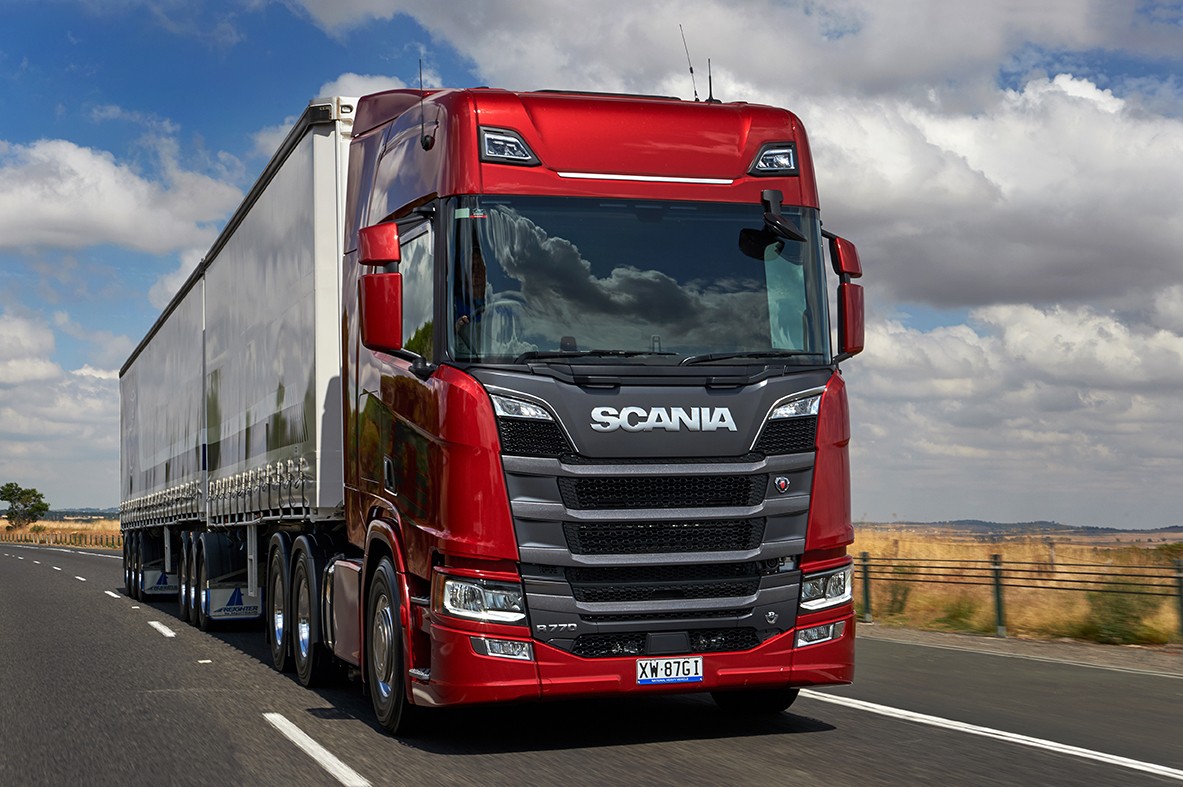
Service and Support Infrastructure: A crucial element of success in the trucking industry is a robust service and support network. Fleet operators need assurance that their trucks can be quickly and efficiently repaired and maintained. Establishing such a network across the vast expanse of the US would require a significant upfront investment from Scania. Without a sizable fleet of Scania trucks already operating, justifying this investment is difficult.
-
Historical Attempts and Lessons Learned: Scania has made sporadic forays into the US market in the past, primarily through partnerships and niche applications. However, these efforts have not translated into widespread adoption. These experiences have likely informed Scania's current strategy, focusing on specific segments where its technology and expertise offer a distinct advantage.
Section 2: Niche Applications and Indirect Influence: Where Scania Makes a Mark
While Scania trucks are not commonly seen hauling freight across the US, the company has found success in specific niche applications and exerts influence through related industries:
-
Engine Sales: Scania's industrial engines are used in various applications in the US, including power generation, marine applications, and construction equipment. These engines are renowned for their reliability and fuel efficiency.
-
Partnerships with OEMs: Scania has partnered with Original Equipment Manufacturers (OEMs) in the US to supply components and technologies for specialized vehicles. This allows Scania to leverage its expertise without directly competing in the heavy-duty truck market.
-
Mining and Resource Extraction: Scania's heavy-duty vehicles are used in mining and resource extraction operations in some parts of the US. These vehicles are designed for extreme conditions and demanding workloads.
-
Bus and Coach Market: While not directly selling Scania-branded buses, Scania has provided chassis and components to bus manufacturers in the US.
-
Defense Industry: Scania has provided specialized vehicles and components to the US military and defense contractors, leveraging its expertise in designing rugged and reliable vehicles for demanding environments.
Section 3: The Future of Scania in the US: Emerging Opportunities
While a full-scale entry into the US heavy-duty truck market remains unlikely in the immediate future, several factors could pave the way for a more significant Scania presence:
-
Electric and Alternative Fuel Vehicles: The growing demand for electric and alternative fuel vehicles presents an opportunity for Scania to introduce its cutting-edge technologies to the US market. Scania has been a leader in developing electric and hybrid trucks, and these technologies could be attractive to US fleet operators seeking to reduce emissions and operating costs.
-
Autonomous Driving Technology: Scania is actively developing autonomous driving technology, which could revolutionize the trucking industry. If autonomous trucks become widely adopted in the US, Scania's expertise in this area could give it a competitive advantage.
-
Increased Focus on Sustainability: As sustainability becomes an increasingly important consideration for US businesses, Scania's commitment to environmental responsibility could resonate with fleet operators. Scania's focus on fuel efficiency, emissions reduction, and sustainable manufacturing practices could make its vehicles more attractive to environmentally conscious customers.
-
Strategic Partnerships: Scania could explore strategic partnerships with existing US truck manufacturers or technology companies to accelerate its entry into the market. These partnerships could provide access to established distribution networks, service infrastructure, and customer relationships.
Section 4: Practical Advice and Actionable Insights
For those interested in Scania trucks in the US, here's some practical advice:
-
Focus on Niche Applications: If you need a specialized vehicle for mining, construction, or another demanding application, consider exploring Scania's offerings.
-
Research Engine Options: If you're looking for a reliable and fuel-efficient industrial engine, Scania's engines are worth considering.
-
Stay Informed about Emerging Technologies: Keep an eye on Scania's developments in electric vehicles, autonomous driving, and other advanced technologies. These technologies could eventually make their way to the US market.
-
Engage with Scania Representatives: Contact Scania representatives in the US to learn more about their products and services and to discuss your specific needs.
Section 5: Potential Challenges and Solutions
Entering the US market presents numerous challenges for Scania:
-
Building Brand Awareness: Scania needs to increase its brand awareness among US fleet operators and consumers. This can be achieved through targeted marketing campaigns, participation in industry events, and partnerships with well-known companies.
-
Establishing a Service Network: Scania needs to establish a robust service network to support its vehicles. This can be done through partnerships with existing service providers or by building its own service centers.
-
Adapting to US Regulations: Scania needs to adapt its vehicles to meet US regulations regarding size, weight, and emissions. This requires significant engineering investment and careful planning.
-
Competing with Established Brands: Scania needs to differentiate its vehicles from those of established US brands. This can be achieved by offering superior technology, fuel efficiency, or reliability.
Conclusion: A Measured Approach to a Challenging Market
While the number of Scania trucks operating in the US is currently very low, the company's presence is not insignificant. Scania has found success in niche applications, and its industrial engines are widely used. The future of Scania in the US depends on its ability to capitalize on emerging opportunities, such as the growing demand for electric and alternative fuel vehicles and the development of autonomous driving technology. A measured and strategic approach, focusing on specific market segments and leveraging partnerships, is likely to be the key to Scania's long-term success in the US. A full-scale entry into the heavy-duty truck market may not be on the immediate horizon, but Scania's expertise and technological innovation could eventually carve out a more significant role for the company in the American trucking landscape.
Price Table: Scania Trucks In The USA (Estimated/Indirect)
| Category | Application | Estimated Price Range (USD) | Notes |
|---|---|---|---|
| Scania Engines | Industrial Applications (e.g., power generation) | $50,000 - $500,000+ | Dependent on engine size, power output, and application |
| Scania Components | Bus Chassis for US Manufacturers | Varies greatly based on chassis type and customization | Sold to bus OEMs, not directly to consumers |
| Specialized Vehicles (Mining) | Heavy-Duty Mining Trucks (Scania-based) | $250,000 - $750,000+ | Through partnerships or specialized dealers; price varies by configuration |
| Military Vehicles | Custom Defense Vehicles | Highly variable; government contracts | Typically confidential pricing |
| Note: Prices are estimates and can vary based on specific configurations, customizations, and market conditions. These prices reflect the indirect presence through engines, chassis, and specialized vehicles. There are no direct sales of Scania-branded heavy-duty trucks in the US currently. |
Frequently Asked Questions (FAQ)
-
Q: Can I buy a Scania tractor-trailer in the US?
- A: Currently, Scania does not directly sell its heavy-duty tractor-trailers in the United States.
-
Q: Why aren't Scania trucks available in the US?
- A: A combination of factors, including established market dominance by domestic brands, regulatory hurdles, import duties, and the need for a significant service infrastructure investment, has prevented Scania from entering the US heavy-duty truck market.
-
Q: Does Scania have any presence in the US?
- A: Yes, Scania has a presence in the US through the sale of industrial engines, partnerships with OEMs, and sales of specialized vehicles for mining and defense applications.
-
Q: Are Scania engines used in any vehicles sold in the US?
- A: Yes, Scania engines are used in some buses and other specialized vehicles sold in the US, through partnerships with other manufacturers.
-
Q: Will Scania ever sell trucks in the US?
- A: While it's difficult to say definitively, the growing demand for electric and alternative fuel vehicles and the development of autonomous driving technology could create opportunities for Scania to enter the US market in the future. However, a full-scale entry into the heavy-duty truck market is not likely in the immediate future.
-
Q: Where can I find Scania parts and service in the US?
- A: Scania parts and service are available through authorized dealers and service centers that support its industrial engines and specialized vehicles. You can find a list of authorized dealers on the Scania website or by contacting Scania representatives in the US.
-
Q: Is it possible to import a Scania truck into the US?
- A: Importing a Scania truck into the US is possible, but it would be a complex and expensive process, requiring compliance with US regulations and the payment of import duties. It is generally not a practical option for most individuals or businesses.
-
Q: How many Scania trucks are there approximately in the USA?
- A: There is no official number, and it is difficult to determine accurately. The number is likely very small (potentially in the low hundreds or less), primarily consisting of specialized vehicles used in specific industries like mining or defense. They are not generally used for commercial over-the-road trucking.
-
Q: What is Scania focusing on in the US market?
- A: Scania's current focus in the US market is primarily on industrial engine sales, partnerships with OEMs, and providing specialized vehicles for niche applications. They are also likely monitoring the developments in electric and autonomous vehicle technology to assess future opportunities.