
Trucks are the workhorses of the modern world, responsible for transporting goods across vast distances, contributing significantly to various industries, and keeping our economy moving. But beyond their imposing presence on the road, trucks are complex machines comprised of thousands of individual parts, each playing a vital role in their overall functionality and performance. Understanding these parts, their functions, and their maintenance is crucial for truck owners, drivers, mechanics, and anyone involved in the trucking industry. This comprehensive guide will delve into the essential components of a truck, providing you with a foundational understanding of these powerful vehicles.
Introduction: The Anatomy of a Truck and Why It Matters
Parts Of The Truck: A Comprehensive Guide to Understanding Your Rig
The term "Parts Of The Truck" encompasses a vast array of components, ranging from the massive engine block to the smallest bolt. These parts work in harmony to enable a truck to perform its intended task, whether it's hauling cargo, towing trailers, or providing specialized services. Understanding the anatomy of a truck is essential for several reasons:
- Maintenance and Repair: Knowing the different parts allows for more efficient troubleshooting and repair. You can identify the source of a problem more quickly and effectively communicate with mechanics.
- Safety: Regular inspection of key components helps prevent breakdowns and accidents. Understanding how parts function and the signs of wear and tear can significantly improve safety on the road.
- Performance Optimization: Understanding how different parts affect performance enables informed decisions about upgrades and modifications. You can tailor your truck to specific needs and improve its efficiency.
- Cost Savings: By understanding basic maintenance and identifying potential issues early, you can prevent costly repairs down the line.
This guide aims to provide a clear and accessible overview of the major components of a truck, covering their functions, common issues, and best practices for maintenance.
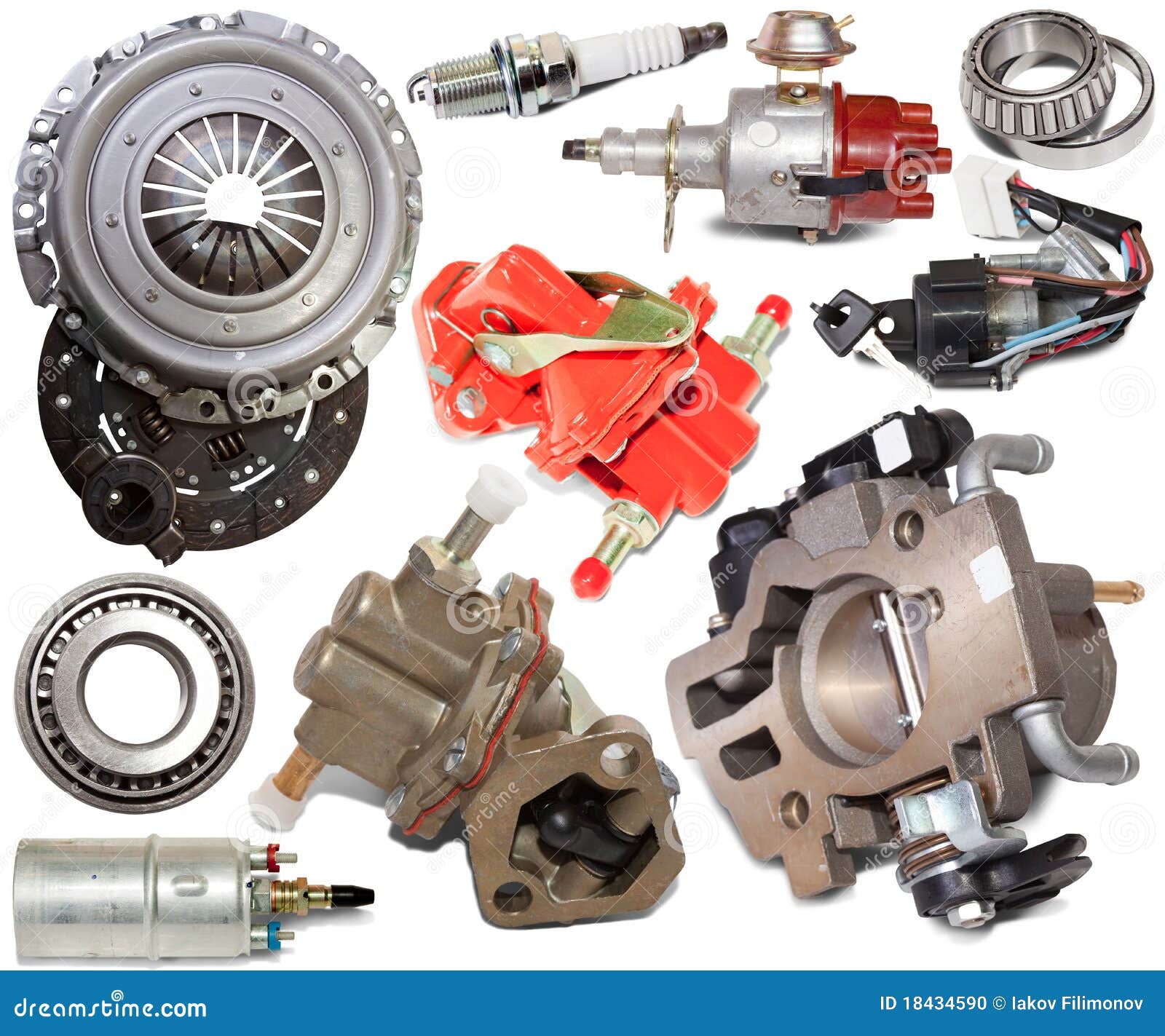
Section 1: The Heart of the Beast - The Engine
The engine is arguably the most critical part of any truck. It's the powerhouse that generates the energy needed to propel the vehicle forward. Modern trucks typically use diesel engines due to their superior torque, fuel efficiency, and durability compared to gasoline engines in heavy-duty applications.
- Key Components:
- Engine Block: The foundation of the engine, housing the cylinders.
- Cylinder Head: Sits atop the engine block, containing the valves and combustion chambers.
- Pistons: Move up and down within the cylinders, driven by the combustion process.
- Connecting Rods: Connect the pistons to the crankshaft.
- Crankshaft: Converts the linear motion of the pistons into rotary motion.
- Camshaft: Controls the timing of the valves.
- Valves: Open and close to allow air and fuel into the cylinders and exhaust gases out.
- Fuel Injectors: Spray fuel into the cylinders at precise times.
- Turbocharger (or Supercharger): Increases engine power by forcing more air into the cylinders.
- Common Issues: Overheating, oil leaks, low compression, fuel injector problems, turbocharger failure.
- Maintenance Tips: Regular oil changes, air filter replacements, fuel filter replacements, coolant flushes, and timely repairs of any issues.
Section 2: The Drivetrain - Transferring Power to the Wheels
The drivetrain is responsible for transmitting the engine's power to the wheels, enabling the truck to move. It consists of several interconnected components:
- Transmission: Modifies the engine's torque and speed to match the driving conditions. Trucks typically use manual or automatic transmissions with multiple gears.
- Clutch (Manual Transmissions): Disconnects the engine from the transmission to allow for gear changes.
- Driveshaft: Transmits power from the transmission to the rear axle (in rear-wheel-drive trucks) or to the transfer case (in four-wheel-drive trucks).
- Differential: Allows the wheels to rotate at different speeds, which is necessary when turning.
- Axles: Support the weight of the truck and transfer power to the wheels.
- Wheels and Tires: The final link in the drivetrain, providing traction and allowing the truck to move.
- Common Issues: Transmission slipping, clutch failure, driveshaft vibrations, differential noise, axle leaks, tire wear.
- Maintenance Tips: Regular transmission fluid changes, clutch adjustments (for manual transmissions), driveshaft lubrication, differential fluid changes, tire rotations, and wheel alignments.
Section 3: The Braking System - Ensuring Safety and Control
The braking system is a critical safety feature, allowing the driver to slow down or stop the truck. Trucks typically use air brakes, which are more powerful and reliable than hydraulic brakes for heavy vehicles.
- Key Components:
- Air Compressor: Generates compressed air to power the brakes.
- Air Tanks: Store compressed air.
- Brake Valves: Control the flow of air to the brake chambers.
- Brake Chambers: Convert air pressure into mechanical force to apply the brakes.
- Brake Shoes or Pads: Press against the brake drums or rotors to create friction and slow the wheels.
- Brake Drums or Rotors: Rotate with the wheels and provide a surface for the brake shoes or pads to press against.
- Anti-lock Braking System (ABS): Prevents the wheels from locking up during braking, improving control.
- Common Issues: Air leaks, brake fade, worn brake shoes or pads, malfunctioning ABS.
- Maintenance Tips: Regular inspection of air lines, brake chambers, brake shoes or pads, and brake drums or rotors. Drain air tanks regularly to remove moisture. Check ABS sensors and wiring.
Section 4: The Suspension System - Providing a Smooth Ride
The suspension system is responsible for absorbing shocks and vibrations from the road, providing a comfortable ride and maintaining tire contact with the road surface.
- Key Components:
- Springs (Leaf Springs, Coil Springs, Air Springs): Support the weight of the truck and absorb shocks.
- Shock Absorbers: Dampen the oscillations of the springs.
- Axle Beams: Connect the axles to the frame.
- Control Arms (for Independent Suspensions): Connect the wheels to the frame and allow for suspension movement.
- Stabilizer Bar: Reduces body roll during cornering.
- Common Issues: Worn springs, leaking shock absorbers, damaged axle beams, worn bushings.
- Maintenance Tips: Regular inspection of springs, shock absorbers, axle beams, and bushings. Replace worn components as needed.
Section 5: The Steering System - Maintaining Directional Control
The steering system allows the driver to control the direction of the truck.
- Key Components:
- Steering Wheel: The driver's input device.
- Steering Column: Connects the steering wheel to the steering gear.
- Steering Gear: Multiplies the driver's input and transmits it to the steering linkage.
- Steering Linkage: Connects the steering gear to the wheels.
- Power Steering Pump: Provides hydraulic assistance to make steering easier.
- Common Issues: Loose steering, excessive play in the steering wheel, power steering pump failure.
- Maintenance Tips: Regular inspection of steering linkage, power steering fluid level, and steering gear. Lubricate steering components as needed.
Section 6: The Electrical System - Powering the Truck's Functions
The electrical system provides power to various components, including the engine, lights, and accessories.
- Key Components:
- Battery: Provides the initial power to start the engine.
- Alternator: Recharges the battery and provides power to the electrical system while the engine is running.
- Starter: Cranks the engine to start it.
- Wiring Harness: Connects all the electrical components.
- Fuses and Circuit Breakers: Protect the electrical system from overloads.
- Lights: Provide illumination for driving at night and signaling other drivers.
- Common Issues: Dead battery, alternator failure, starter failure, wiring problems, blown fuses.
- Maintenance Tips: Regular inspection of battery terminals, alternator belt, and wiring. Replace fuses as needed.
Section 7: The Cab and Body - Providing Comfort and Functionality
The cab and body provide a comfortable and functional workspace for the driver and protect the cargo.
- Key Components:
- Cab: Houses the driver and controls.
- Frame: The structural backbone of the truck.
- Body: The cargo-carrying area (e.g., flatbed, van body, tanker).
- Mirrors: Provide visibility around the truck.
- Seats: Provide comfort for the driver and passengers.
- Dashboard: Contains instruments and controls.
- Common Issues: Rust, damaged body panels, broken mirrors, worn seats.
- Maintenance Tips: Regular cleaning and waxing to prevent rust. Repair body damage promptly.
Table: Parts Of The Truck Pricing
| Part | Description | Approximate Price Range | Notes |
|---|---|---|---|
| Diesel Engine (Rebuilt) | Complete rebuilt diesel engine. | $10,000 - $30,000+ | Prices vary significantly based on engine model, condition, and warranty. |
| Transmission (New) | New heavy-duty truck transmission. | $5,000 - $15,000+ | Automatic transmissions generally more expensive. |
| Clutch Kit | Complete clutch replacement kit. | $500 - $2,000 | Includes clutch disc, pressure plate, throwout bearing. |
| Air Compressor | Replaces the vehicle's air compressor. | $300 - $1,500 | Prices vary based on brand and model. |
| Brake Pads (Axle Set) | Set of brake pads for one axle. | $100 - $500 | Prices vary based on material (e.g., ceramic, metallic). |
| Brake Rotor | Brake rotor for air brakes | $150 - $400 | Price per rotor. |
| Shock Absorber (Each) | Replacement shock absorber. | $50 - $200 | Prices vary based on brand and type (e.g., gas-charged). |
| Leaf Spring (Each) | Replacement leaf spring. | $100 - $500 | Prices vary based on load capacity and vehicle. |
| Steering Gear Box (Rebuilt) | Rebuilt power steering gear box. | $500 - $2,000 | Avoid new units, unless necessary |
| Battery (Heavy Duty) | Heavy-duty truck battery. | $150 - $500 | Cold Cranking Amps (CCA) important. |
| Alternator (New) | New alternator. | $200 - $800 | Prices vary based on amperage. |
| Tire (Truck) | New truck tire. | $200 - $800+ | Prices vary based on size, brand, and tread pattern. |
Conclusion: Maintaining Your Truck for Optimal Performance
Understanding the various parts of a truck and their functions is crucial for ensuring its safe and efficient operation. Regular maintenance, timely repairs, and careful driving habits are essential for prolonging the life of your truck and maximizing its performance. By investing in the knowledge and care of your vehicle, you can avoid costly breakdowns, improve safety, and keep your truck running smoothly for years to come. Remember to consult with qualified mechanics for any major repairs or maintenance tasks.
Frequently Asked Questions (FAQ)
-
Q: How often should I change my truck's oil?
- A: Oil change intervals vary depending on the engine type, operating conditions, and oil type. Consult your owner's manual or a qualified mechanic for specific recommendations. Generally, heavy-duty diesel engines require oil changes every 25,000 to 50,000 miles.
-
Q: What are the signs of a failing transmission?
- A: Common signs include slipping gears, difficulty shifting, unusual noises, and fluid leaks.
-
Q: How can I improve my truck's fuel efficiency?
- A: Maintain proper tire inflation, avoid aggressive driving, use cruise control, and keep your truck properly maintained.
-
Q: What is the importance of regular brake inspections?
- A: Regular brake inspections are crucial for safety. They help identify worn brake pads or shoes, air leaks, and other potential problems that could compromise braking performance.
-
Q: Where can I find reliable truck parts?
- A: Reputable truck parts suppliers, dealerships, and online retailers offer a wide range of parts. Be sure to choose high-quality parts that meet or exceed OEM specifications.