
Introduction
Trucks, the workhorses of modern transportation, are complex machines comprised of thousands of individual parts working in harmony. From the smallest bolt to the massive engine block, each component plays a vital role in a truck's overall performance, safety, and reliability. Understanding the fundamental parts of a truck, their functions, and potential issues is crucial not only for truck drivers and mechanics but also for fleet managers, logistics professionals, and anyone involved in the trucking industry. This comprehensive guide will delve into the essential parts of a truck, providing detailed information about their functions, maintenance, and troubleshooting.
Parts of a Truck: A Comprehensive Guide
1. The Engine: The Heart of the Truck
The engine is undoubtedly the most critical component of any truck. It's responsible for generating the power needed to propel the vehicle and operate various auxiliary systems. Modern truck engines are typically diesel-powered due to their high torque output, fuel efficiency, and durability.
-
Key Engine Components:
- Cylinder Block: The foundation of the engine, housing the cylinders where combustion occurs.
- Cylinder Head: Sits atop the cylinder block, containing valves, injectors, and coolant passages.
- Pistons: Move up and down within the cylinders, driven by combustion.
- Connecting Rods: Connect the pistons to the crankshaft.
- Crankshaft: Converts the reciprocating motion of the pistons into rotational motion, which is then transmitted to the transmission.
- Camshaft: Controls the timing of valve opening and closing.
- Valves: Regulate the flow of air and exhaust gases into and out of the cylinders.
- Fuel Injectors: Spray fuel into the cylinders at precise intervals.
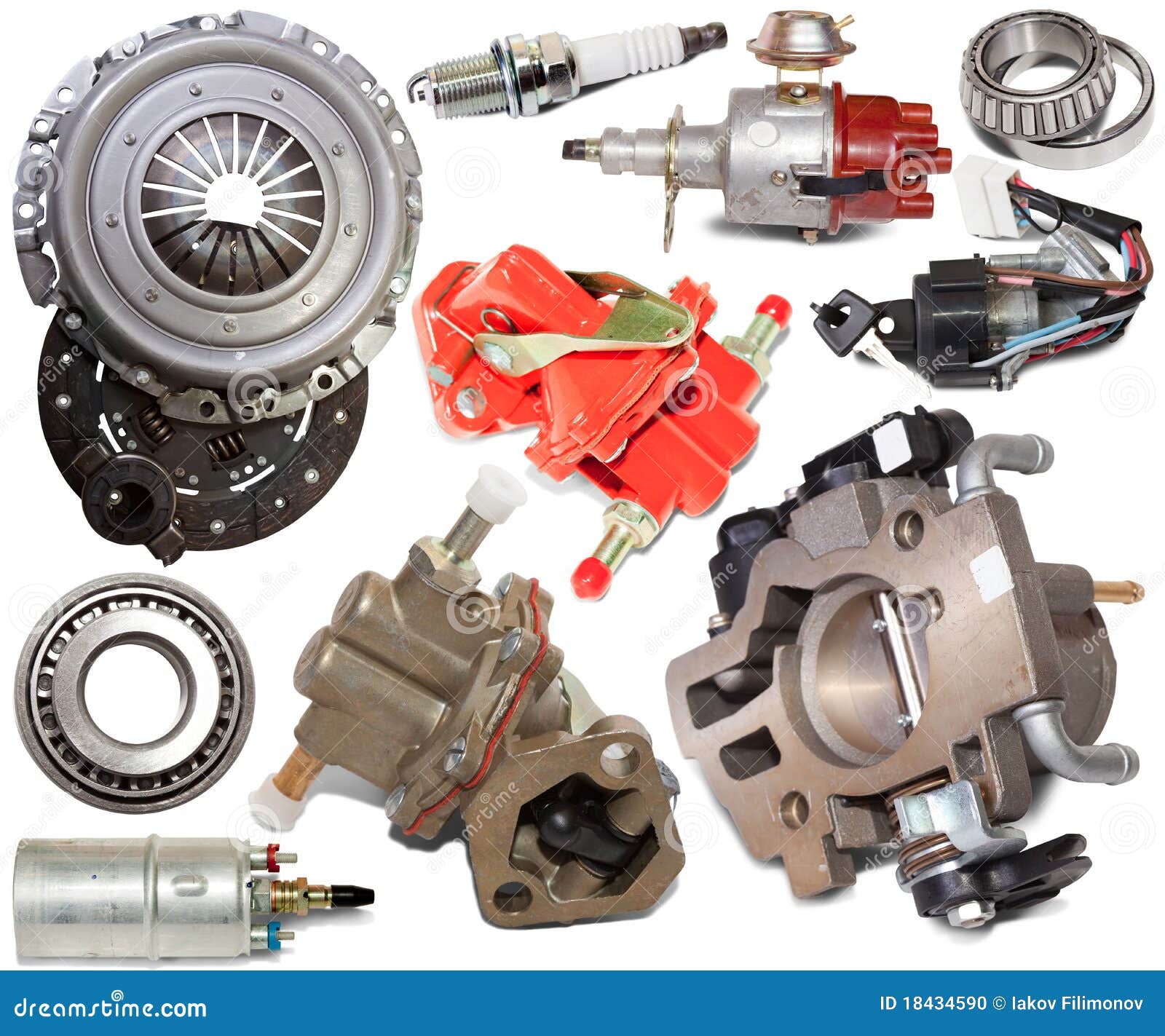
- Turbocharger (if equipped): Forces more air into the engine, increasing power output.
- Cooling System: Circulates coolant to prevent the engine from overheating.
- Lubrication System: Circulates oil to lubricate engine components and reduce friction.
-
Maintenance Tips:
- Regular oil changes are crucial for engine longevity. Follow the manufacturer's recommended service intervals.
- Monitor coolant levels and ensure the cooling system is functioning properly.
- Inspect and replace air filters regularly to maintain optimal airflow.
- Address any unusual noises or vibrations promptly.
-
Potential Problems:
- Overheating
- Loss of power
- Excessive oil consumption
- Engine knocking or pinging
- Fuel leaks
2. The Transmission: Managing Power Delivery
The transmission is responsible for transferring power from the engine to the wheels, allowing the truck to operate at different speeds and torque levels. Truck transmissions are typically manual, automated manual, or automatic.
-
Types of Truck Transmissions:
- Manual Transmissions: Require the driver to manually shift gears using a clutch and gear lever.
- Automated Manual Transmissions (AMTs): Operate like manual transmissions but use electronic controls to automate gear shifting.
- Automatic Transmissions: Use a torque converter to transmit power and shift gears automatically.
-
Key Transmission Components:
- Gears: Different-sized gears provide varying torque and speed ratios.
- Clutch (manual transmissions): Disengages the engine from the transmission for gear shifting.
- Shift Forks: Move the gears into and out of engagement.
- Synchronizers: Match the speeds of the gears before engagement, preventing grinding.
-
Maintenance Tips:
- Check transmission fluid levels regularly and change as recommended.
- Inspect the clutch (manual transmissions) for wear and tear.
- Listen for any unusual noises during gear shifting.
-
Potential Problems:
- Difficulty shifting gears
- Grinding noises
- Slipping out of gear
- Fluid leaks
3. The Driveline: Transferring Power to the Wheels
The driveline connects the transmission to the wheels, transmitting power and allowing the truck to move.
-
Key Driveline Components:
- Driveshaft: A rotating shaft that transmits power from the transmission to the rear axle(s).
- Universal Joints (U-joints): Allow the driveshaft to articulate as the suspension moves.
- Rear Axle(s): Transmit power to the wheels and provide differential action.
- Differential: Allows the wheels on the same axle to rotate at different speeds, which is necessary when turning.
-
Maintenance Tips:
- Grease U-joints regularly to prevent wear and tear.
- Inspect the driveshaft for damage or imbalance.
- Check differential fluid levels and change as recommended.
-
Potential Problems:
- Vibrations
- Noises from the driveshaft or differential
- Fluid leaks
4. The Suspension System: Ensuring a Smooth Ride
The suspension system is responsible for absorbing shocks and vibrations from the road, providing a comfortable ride for the driver and protecting the cargo.
-
Types of Truck Suspensions:
- Leaf Spring Suspension: A traditional suspension system using leaf springs to support the axle.
- Air Suspension: Uses air springs to provide a smoother ride and adjustable ride height.
- Walking Beam Suspension: A robust suspension system commonly used on heavy-duty trucks.
-
Key Suspension Components:
- Springs (leaf springs or air springs): Support the weight of the truck and absorb shocks.
- Shock Absorbers: Dampen the movement of the springs, preventing excessive bouncing.
- Control Arms (if applicable): Connect the suspension to the frame.
- Bushings: Reduce noise and vibration.
-
Maintenance Tips:
- Inspect suspension components for wear and tear regularly.
- Check air pressure in air springs (if equipped).
- Lubricate suspension components as needed.
-
Potential Problems:
- Rough ride
- Excessive bouncing
- Sagging suspension
- Noises from the suspension
5. The Braking System: Ensuring Safe Stops
The braking system is crucial for slowing down or stopping the truck safely.
-
Types of Truck Braking Systems:
- Air Brakes: Use compressed air to actuate the brakes.
- Hydraulic Brakes: Use hydraulic fluid to actuate the brakes.
-
Key Braking System Components:
- Brake Pedal: Activates the braking system.
- Air Compressor (air brakes): Compresses air for the braking system.
- Brake Chambers (air brakes): Convert air pressure into mechanical force to apply the brakes.
- Brake Lines: Carry air or hydraulic fluid to the brakes.
- Brake Calipers: Squeeze the brake pads against the rotors or drums.
- Brake Pads or Shoes: Friction materials that slow down the wheels.
- Rotors or Drums: Rotating components that the brake pads or shoes press against.
- Anti-lock Braking System (ABS): Prevents the wheels from locking up during braking.
-
Maintenance Tips:
- Inspect brake pads or shoes regularly for wear.
- Check brake fluid or air pressure levels.
- Bleed the brakes to remove air from the lines.
-
Potential Problems:
- Weak braking power
- Squealing or grinding noises
- Brake fade
- ABS malfunction
6. The Electrical System: Powering Everything
The electrical system provides power to all the truck's electrical components, including the lights, starter, and accessories.
-
Key Electrical System Components:
- Battery: Stores electrical energy.
- Alternator: Charges the battery while the engine is running.
- Starter: Cranks the engine to start it.
- Wiring Harness: A network of wires that connects all the electrical components.
- Fuses and Circuit Breakers: Protect the electrical system from overloads.
- Lights: Provide illumination for driving and signaling.
- Sensors: Monitor various engine and vehicle parameters.
-
Maintenance Tips:
- Keep battery terminals clean and corrosion-free.
- Check the alternator output voltage.
- Inspect wiring for damage.
-
Potential Problems:
- Dead battery
- Starting problems
- Lighting problems
- Electrical shorts
7. The Cabin: Driver Comfort and Control
The cabin provides a comfortable and safe environment for the driver.
-
Key Cabin Components:
- Seats: Provide comfortable seating for the driver and passengers.
- Steering Wheel: Controls the direction of the truck.
- Dashboard: Displays gauges and controls.
- Climate Control System: Provides heating and air conditioning.
- Infotainment System: Provides entertainment and navigation.
-
Maintenance Tips:
- Keep the cabin clean and organized.
- Maintain the climate control system.
- Inspect seats and seatbelts for damage.
8. Frame
The truck frame is the backbone of the vehicle, providing a rigid structure that supports all the other components. It is typically made of steel and is designed to withstand heavy loads and stresses.
9. Body
The truck body is the exterior shell of the vehicle, providing protection for the driver and cargo. It can be made of various materials, including steel, aluminum, or fiberglass.
10. Wheels and Tires
The wheels and tires are responsible for providing traction and supporting the weight of the truck. They are subject to wear and tear and must be properly maintained to ensure safe operation.
Price Table of Truck Parts
| Part Name | Description | Average Price (USD) | Notes |
|---|---|---|---|
| Diesel Engine (Rebuilt) | Complete rebuilt diesel engine | $8,000 - $25,000 | Price varies by engine model, year, and horsepower. |
| Transmission (New) | Heavy-duty truck transmission | $4,000 - $12,000 | Manual, automated manual, or automatic. |
| Driveshaft | Complete driveshaft assembly | $500 - $1,500 | Price depends on length and material. |
| Air Spring (Single) | Replacement air spring for suspension | $150 - $400 | Price varies by brand and load capacity. |
| Brake Pads (Front Set) | Heavy-duty truck brake pads | $100 - $300 | Price varies by material and brand. |
| Alternator (New) | High-output truck alternator | $200 - $500 | Amperage rating affects the price. |
| Truck Tire (Single) | Commercial truck tire | $200 - $500 | Price varies by size, brand, and load rating. |
| Fuel Injector (Single) | Diesel fuel injector | $150 - $400 | Price varies by engine type. |
| Starter Motor (New) | Heavy-duty truck starter motor | $200 - $600 | Cold-weather starters can be more expensive. |
| Radiator (New) | Heavy-duty truck radiator | $500 - $1,200 | Price depends on size and cooling capacity. |
Conclusion
Understanding the various parts of a truck and their functions is essential for ensuring its safe and efficient operation. By performing regular maintenance and addressing problems promptly, truck owners and operators can extend the life of their vehicles and minimize downtime. This comprehensive guide provides a solid foundation for anyone seeking to learn more about the complex world of truck parts.
Frequently Asked Questions (FAQ)
- How often should I change the oil in my truck? Follow the manufacturer's recommended service intervals, typically between 25,000 and 50,000 miles for modern diesel engines.
- What are the signs of a worn-out clutch? Difficulty shifting gears, slipping, and a high clutch pedal are all signs of a worn-out clutch.
- How do I check the air pressure in my air suspension? Use an air pressure gauge to check the pressure at the air springs. Refer to the manufacturer's specifications for the correct pressure.
- What is ABS and why is it important? ABS (Anti-lock Braking System) prevents the wheels from locking up during braking, allowing the driver to maintain steering control.
- What should I do if my truck overheats? Pull over to a safe location and allow the engine to cool down. Check the coolant level and look for any leaks.