
The Volkswagen Group, often shortened to VW Group, is a global automotive powerhouse. But beyond the familiar Volkswagen badge, a vast and diverse portfolio of car brands operate under its corporate umbrella. Understanding the breadth of this portfolio reveals the sheer scale of VW's influence in the automotive industry and offers insights into its strategic vision. This article will explore the brands that constitute the VW Group, diving into their unique identities, market positions, and contributions to the overall success of this automotive giant.
Why Knowing VW's Brand Portfolio Matters
The Empire Under the Hood: What Car Brands Does Volkswagen Own?
Understanding the Volkswagen Group's brand portfolio is crucial for several reasons:
- Informed Consumer Choices: Knowing which brands are part of the VW Group allows consumers to make more informed decisions when purchasing a vehicle. Shared technologies, platforms, and components across brands can influence performance, reliability, and even pricing.
- Investment Decisions: For investors, understanding the performance and potential of each brand within the VW Group is essential for evaluating the overall financial health and future prospects of the company.
- Industry Awareness: Understanding the VW Group's reach provides valuable insight into the automotive industry's structure, competition, and future trends.
- Appreciating Automotive Diversity: The VW Group's portfolio showcases a diverse range of automotive philosophies, from budget-friendly options to ultra-luxury vehicles, offering something for almost every consumer.
The Core Brands: Volume and Value
These brands form the backbone of the VW Group, representing a significant portion of its sales volume and global presence.
- Volkswagen (VW): The namesake brand, Volkswagen, is the core of the group. It focuses on offering a wide range of vehicles, from compact cars like the Golf and Polo to SUVs like the Tiguan and Touareg. Volkswagen emphasizes reliability, practicality, and affordability, appealing to a broad customer base. In recent years, VW has been heavily investing in electric vehicles under the "ID." sub-brand, aiming to become a leader in the EV market.
- Škoda: This Czech brand focuses on offering value-for-money vehicles, often sharing platforms and technologies with Volkswagen but at a more competitive price point. Škoda models are known for their spaciousness, practicality, and reliability. The Octavia and Superb are particularly popular models, offering excellent value in their respective segments.
- SEAT/CUPRA: SEAT is a Spanish brand known for its sporty design and youthful appeal. It traditionally catered to a younger demographic with models like the Ibiza and Leon. CUPRA, originally SEAT's performance division, has been spun off as a standalone brand focusing on high-performance vehicles with a distinctive design and sporty driving experience. The CUPRA Formentor is a prime example of this new direction.

The Premium Brands: Luxury and Performance
These brands represent the VW Group's foray into the luxury and performance segments, competing with the likes of BMW, Mercedes-Benz, and other high-end automakers.
- Audi: Audi is a German luxury car manufacturer known for its sophisticated design, advanced technology, and refined driving experience. It competes directly with BMW and Mercedes-Benz, offering a wide range of models, including sedans, coupes, SUVs, and electric vehicles. Audi's quattro all-wheel-drive system is a hallmark of the brand, providing enhanced traction and handling.
- Porsche: Porsche is an iconic German sports car manufacturer renowned for its performance, handling, and distinctive design. The 911 is arguably the most recognizable sports car in the world, and Porsche also offers a range of SUVs, sedans, and electric vehicles that maintain the brand's performance DNA.
- Lamborghini: This Italian manufacturer produces some of the most extreme and visually striking supercars in the world. Known for their aggressive styling, powerful engines, and exhilarating performance, Lamborghini models are the epitome of automotive extravagance.
The Ultra-Luxury and Exotic Brands: Exclusivity and Craftsmanship
These brands represent the pinnacle of automotive luxury and exclusivity, catering to an extremely affluent clientele.
- Bentley: Bentley is a British manufacturer of ultra-luxury cars known for their handcrafted interiors, opulent features, and powerful engines. Bentley vehicles are designed for comfort, refinement, and exclusivity, appealing to those seeking the ultimate in automotive luxury.
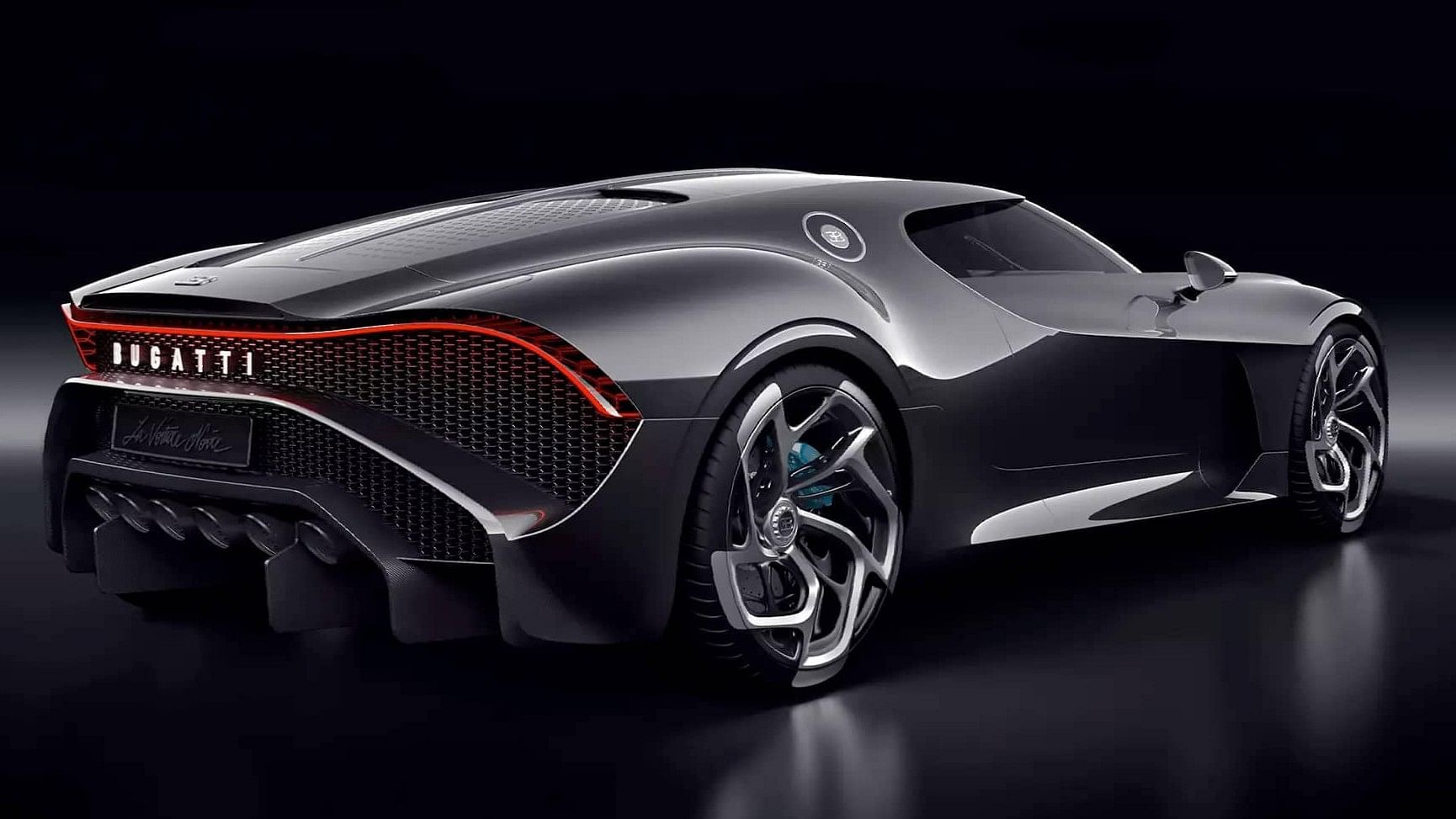
- Bugatti: Bugatti is a French manufacturer of hypercars, renowned for their unparalleled performance, engineering excellence, and exorbitant price tags. The Bugatti Chiron and its derivatives represent the pinnacle of automotive engineering, pushing the boundaries of speed and technology.
Commercial Vehicles: Workhorses of the World
- Volkswagen Commercial Vehicles: This division focuses on producing vans, trucks, and other commercial vehicles for a variety of applications. The Transporter (also known as the Multivan or Caravelle) is a popular model, used for everything from transporting passengers to carrying cargo.
- Scania: Scania is a Swedish manufacturer of heavy trucks, buses, and engines. It is known for its durable and reliable vehicles, serving the transportation and construction industries worldwide.
- MAN: MAN is a German manufacturer of commercial vehicles, including trucks, buses, and engines. Like Scania, MAN focuses on providing robust and efficient solutions for the transportation and logistics sectors.
Motorcycle Brands:
- Ducati: Ducati is an Italian motorcycle manufacturer famous for its high-performance motorcycles and racing heritage.
A Table of Volkswagen's Car Brands
| Brand | Category | Target Market | Key Characteristics | Examples |
|---|---|---|---|---|
| Volkswagen (VW) | Volume | Mass market, families, commuters | Reliability, practicality, affordability, EVs | Golf, Tiguan, Passat, ID.4 |
| Škoda | Volume | Value-conscious buyers, families | Spaciousness, practicality, value for money | Octavia, Superb, Kodiaq |
| SEAT | Volume | Younger buyers, sporty appeal | Sporty design, youthful energy | Ibiza, Leon |
| CUPRA | Volume/Performance | Performance enthusiasts, design-focused | High performance, distinctive design, sporty handling | Formentor, Leon CUPRA |
| Audi | Premium | Luxury car buyers, technology enthusiasts | Sophisticated design, advanced technology, quattro AWD | A4, Q5, E-Tron |
| Porsche | Premium/Sports | Sports car enthusiasts, luxury buyers | Performance, handling, iconic design | 911, Cayenne, Taycan |
| Lamborghini | Ultra-Luxury/Exotic | Supercar enthusiasts, high-net-worth individuals | Extreme performance, aggressive styling | Aventador, Huracán, Urus |
| Bentley | Ultra-Luxury | Affluent buyers seeking ultimate luxury | Handcrafted interiors, opulent features, powerful engines | Continental GT, Flying Spur, Bentayga |
| Bugatti | Ultra-Luxury/Exotic | Hypercar collectors, engineering enthusiasts | Unparalleled performance, engineering excellence | Chiron |
| VW Commercial Vehicles | Commercial | Businesses, transportation companies | Versatility, reliability, practicality | Transporter, Crafter |
| Scania | Commercial | Transportation and construction industries | Durability, reliability, heavy-duty trucks | Trucks, buses |
| MAN | Commercial | Transportation and logistics sectors | Robustness, efficiency, commercial vehicles | Trucks, buses |
| Ducati | Motorcycle | Motorcycle Enthusiasts | High-performance, Racing Heritage | Monster, Panigale |
Tips for Understanding the VW Group's Brands
- Research Specific Models: While brands share platforms, each model has unique characteristics. Research individual models to understand their specific features and benefits.
- Consider Your Needs and Budget: The VW Group offers vehicles at a wide range of price points and with varying levels of luxury and performance. Consider your needs and budget when choosing a brand and model.
- Test Drive Multiple Brands: If you're unsure which brand is right for you, test drive vehicles from different brands to get a feel for their driving dynamics and features.
- Read Reviews and Comparisons: Read reviews and comparisons from reputable automotive publications to get objective insights into the strengths and weaknesses of each brand and model.
Potential Challenges and Solutions
- Brand Overlap: With so many brands under one roof, there can be some overlap in target markets and product offerings.
- Solution: The VW Group needs to clearly differentiate each brand's identity and target market to avoid cannibalization and confusion.
- Complexity: The sheer size and complexity of the VW Group can make it difficult to manage and coordinate its various brands.
- Solution: Streamlined management structures and clear lines of communication are essential for effective coordination and decision-making.
- Reputation Management: Any negative publicity or quality issues with one brand can potentially impact the reputation of the entire VW Group.
- Solution: Strong quality control measures and proactive crisis management are crucial for protecting the overall reputation of the group.
Frequently Asked Questions (FAQ)
- Q: Does Volkswagen own Lamborghini?
- A: Yes, Lamborghini is part of the Volkswagen Group, owned through Audi.
- Q: Are Škoda and Volkswagen cars the same?
- A: No, while they share platforms and technologies, Škoda and Volkswagen cars have distinct designs, features, and target markets. Škoda generally offers a more value-oriented proposition.
- Q: Which is more luxurious, Audi or Volkswagen?
- A: Audi is positioned as a premium brand and is more luxurious than Volkswagen.
- Q: Does Volkswagen own Bentley?
- A: Yes, Bentley is part of the Volkswagen Group.
- Q: Is CUPRA replacing SEAT?
- A: No, CUPRA is not replacing SEAT. CUPRA is a standalone performance brand that was spun off from SEAT. SEAT continues to operate as a separate brand.
- Q: Who owns Ducati now?
- A: Audi, which is part of the Volkswagen Group, owns Ducati.
Conclusion: A Diverse Portfolio for a Global Automotive Leader
The Volkswagen Group's diverse portfolio of car brands demonstrates its ambition and reach in the global automotive market. From affordable and practical vehicles to ultra-luxury and high-performance machines, the VW Group caters to a wide range of customers and needs. Understanding the individual identities and strengths of each brand within the portfolio provides valuable insights into the company's strategy and its commitment to innovation and automotive excellence. While challenges related to brand overlap and complexity exist, the VW Group's continued success hinges on its ability to effectively manage and differentiate its diverse portfolio, ensuring that each brand continues to thrive and contribute to the overall success of this automotive giant. Ultimately, the variety under the VW Group umbrella is a testament to its ambition and adaptability in a constantly evolving industry.