
The 26-foot box truck. A workhorse of the transportation industry, a staple for moving families across state lines, and a crucial tool for businesses handling large-scale deliveries. But beyond its imposing exterior, understanding the interior dimensions of a 26' box truck is paramount to maximizing its potential. This guide will delve into the specifics of these dimensions, explore their impact on various applications, and provide practical advice for utilizing this space efficiently. Whether you're a seasoned mover, a logistics professional, or simply planning a large relocation, this comprehensive overview will equip you with the knowledge to make the most of your 26' box truck.
Introduction: Why Interior Dimensions Matter
The Ultimate Guide to the Interior Dimensions of a 26' Box Truck: Maximizing Space and Efficiency
At first glance, a 26-foot box truck seems straightforward: a large rectangular space for hauling goods. However, the true value lies in understanding the usable space within. Knowing the precise interior dimensions – length, width, height, and door opening sizes – allows you to plan effectively. This includes:
- Accurate Load Planning: Determining how much you can realistically fit inside without exceeding weight limits or damaging your cargo.
- Optimizing Space Utilization: Strategically arranging items to maximize the available cubic footage.
- Choosing the Right Truck: Ensuring a 26' box truck is indeed the best option for your specific needs, compared to smaller or larger alternatives.
- Calculating Costs: Accurately estimating fuel consumption, tolls, and other expenses based on the weight and volume of your load.
- Preventing Damage: Packing and securing items properly to prevent shifting and damage during transit.
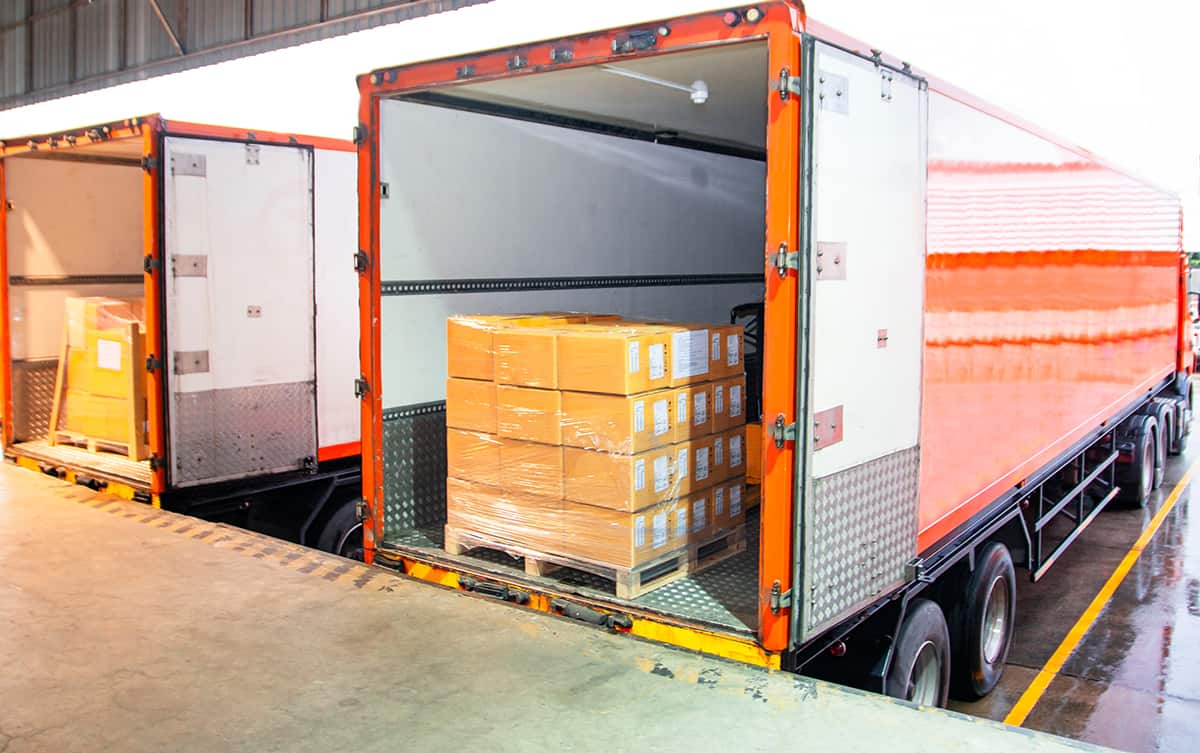
Ultimately, a solid understanding of the interior dimensions translates to cost savings, increased efficiency, and a smoother, less stressful transportation experience.
Section 1: The Core Dimensions: Length, Width, and Height
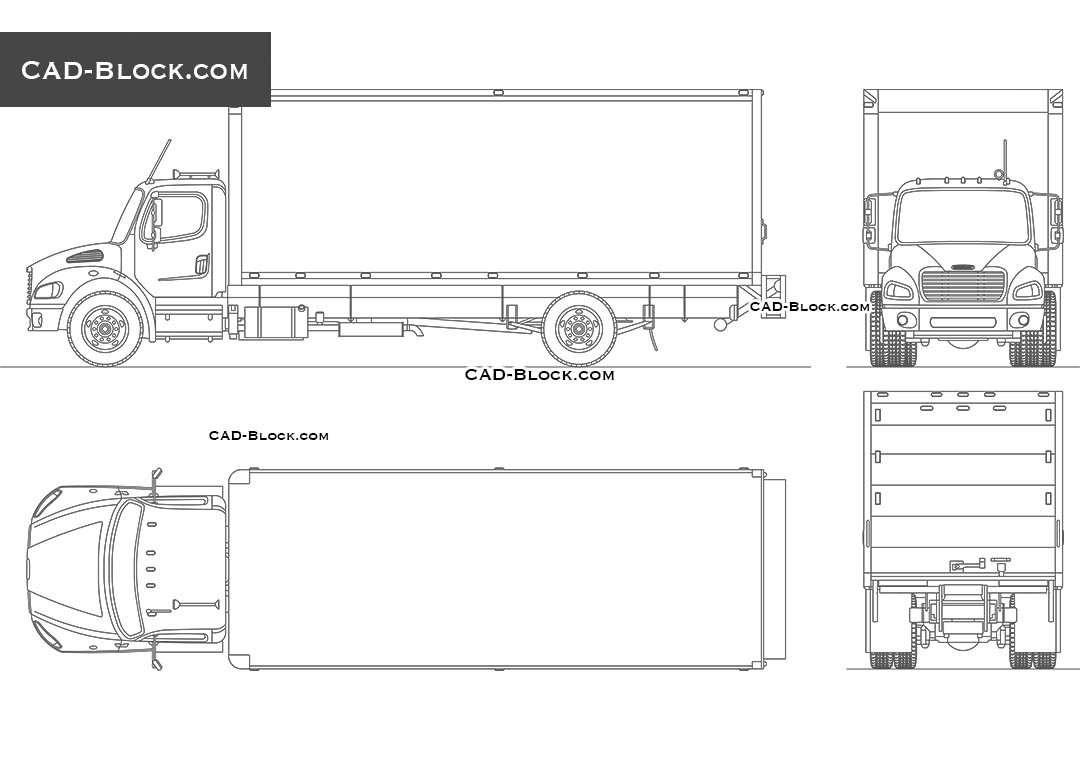
The foundation of understanding any box truck's capacity lies in its core dimensions. While there might be slight variations between manufacturers, here's a general range you can expect for a standard 26' box truck:
- Length: Typically, the interior length ranges from 25.5 feet to 26.5 feet (306 inches to 318 inches). This is the most significant dimension, determining the total horizontal space available.
- Width: The interior width usually falls between 8 feet to 8.5 feet (96 inches to 102 inches). This is crucial for determining how many items can be placed side-by-side.
- Height: Interior height is a critical factor, particularly for taller items. Expect a range of 8 feet to 8.5 feet (96 inches to 102 inches). Be mindful of this when loading furniture or appliances.
Important Considerations:
- Wheel Wells: These can intrude on the floor space, particularly near the rear axle. Be sure to account for these when planning your load.
- Interior Lining: The thickness of the wall and ceiling lining (often wood or composite material) can slightly reduce the usable dimensions.
- Truck Model and Manufacturer: Always consult the specific specifications provided by the rental company or truck manufacturer for the most accurate dimensions.

Section 2: Door Dimensions: Access and Maneuverability
The door is the gateway to your cargo, and its dimensions are just as important as the overall interior space. Key door dimensions to consider include:
- Rear Door Height: Typically between 7 feet to 7.5 feet (84 inches to 90 inches). This dictates the maximum height of items you can load upright.
- Rear Door Width: Generally around 7.5 feet to 8 feet (90 inches to 96 inches). Wide enough for most standard furniture and appliances, but double-check for oversized items.
- Side Door (if applicable): Some 26' box trucks may have a side door, usually smaller than the rear door. Its dimensions will vary but are typically around 3 feet wide and 6 feet tall. Useful for accessing smaller items without opening the entire rear door.
Practical Advice:
- Measure Large Items: Before renting or purchasing a truck, measure the largest items you plan to transport to ensure they will fit through the door opening.
- Disassembly: Consider disassembling furniture to reduce its size and make it easier to load and unload.
- Ramps and Lifts: A ramp or lift gate can significantly ease the loading and unloading process, especially for heavy or bulky items. Check if the truck is equipped with one and understand its weight capacity.
Section 3: Calculating Cubic Footage and Load Capacity
Understanding cubic footage allows you to estimate how much you can fit into the truck. Here's how to calculate it:
- Cubic Footage = Length x Width x Height
Using the average dimensions: 26 feet x 8.25 feet x 8.25 feet = approximately 1773 cubic feet.
Load Capacity (Weight):
While cubic footage gives you an idea of volume, weight is equally crucial. Exceeding the truck's weight capacity can lead to:
- Damage to the Vehicle: Overstressing the suspension and other components.
- Safety Hazards: Affecting braking and handling.
- Legal Penalties: Fines and potential impoundment.
The typical load capacity for a 26' box truck ranges from 8,000 to 10,000 pounds. This is often printed on a sticker inside the truck's cab.
Key Considerations:
- Weight Distribution: Distribute the weight evenly throughout the truck. Place heavier items near the front and center to maintain balance.
- Know Your Cargo: Be aware of the weight of your items. Use a scale if necessary.
- Check the GVWR: The Gross Vehicle Weight Rating (GVWR) is the maximum permissible weight of the truck, including the truck itself, cargo, passengers, and fuel.
Section 4: Optimizing Space Utilization: Packing and Securing Your Load
Maximizing the usable space within a 26' box truck requires careful planning and efficient packing techniques:
- Strategic Stacking: Utilize vertical space by stacking boxes and items. Ensure they are securely stacked to prevent shifting.
- Disassembly: Disassemble furniture and other items whenever possible to reduce their size and create more space.
- Utilize Empty Spaces: Fill empty spaces within boxes with packing peanuts, bubble wrap, or other cushioning materials.
- Protect Fragile Items: Wrap fragile items individually and place them in sturdy boxes. Clearly label boxes containing fragile items.
- Secure Your Load: Use tie-down straps, ropes, and cargo bars to secure your load and prevent shifting during transit.
- Create a Loading Plan: Plan the order in which you will load and unload items. Place items you'll need access to first near the rear of the truck.
Section 5: Applications of a 26' Box Truck
The versatility of a 26' box truck makes it suitable for a wide range of applications:
- Residential Moving: Moving the contents of a large apartment or a small to medium-sized house.
- Commercial Deliveries: Transporting goods for businesses, including furniture, appliances, and inventory.
- Event Logistics: Moving equipment and supplies for events, trade shows, and concerts.
- Construction and Contracting: Transporting tools, materials, and equipment to job sites.
- Mobile Workshops: Outfitting the truck as a mobile workshop for various trades.
Section 6: Potential Challenges and Solutions
While a 26' box truck offers ample space, several challenges can arise:
- Difficulty Maneuvering: The truck's size can make it challenging to maneuver in tight spaces, especially in urban areas. Solution: Plan your route carefully and consider hiring a professional driver if you are not comfortable driving a large vehicle.
- Fuel Consumption: Larger trucks consume more fuel. Solution: Drive efficiently, avoid excessive speed, and maintain proper tire pressure.
- Parking Restrictions: Many cities have parking restrictions for large vehicles. Solution: Research parking regulations in advance and obtain any necessary permits.
- Loading and Unloading: Loading and unloading can be physically demanding. Solution: Use a ramp or lift gate, enlist the help of friends or family, or hire professional movers.
- Securing the Load: Improperly secured loads can shift and cause damage. Solution: Use tie-down straps, ropes, and cargo bars to secure your load properly.
Section 7: Renting vs. Buying: Making the Right Choice
Deciding whether to rent or buy a 26' box truck depends on your specific needs and frequency of use.
- Renting:
- Pros: Lower upfront cost, no maintenance or repair responsibilities, flexibility to choose different truck sizes.
- Cons: Limited availability, rental fees can add up over time, mileage restrictions.
- Buying:
- Pros: Ownership, unlimited use, potential for tax benefits.
- Cons: High upfront cost, maintenance and repair responsibilities, depreciation.
Conclusion: Mastering the 26' Box Truck
Understanding the interior dimensions of a 26' box truck is essential for maximizing its utility and efficiency. By considering the length, width, height, door dimensions, cubic footage, and load capacity, you can plan your load effectively, optimize space utilization, and ensure a safe and successful transportation experience. Whether you're moving across town or delivering goods for your business, mastering the 26' box truck empowers you to tackle even the most demanding transportation challenges.
Table Price: Estimated Costs Associated with a 26' Box Truck
| Item | Description | Estimated Cost | Notes |
|---|---|---|---|
| Rental (Daily) | Basic rental of a 26' Box Truck | $150 - $300 | Varies based on location, time of year, and rental company. |
| Rental (Mileage) | Per mile charge | $0.75 - $1.50 | Added to the daily rental fee. |
| Fuel | Cost of fuel for the trip | Variable | Depends on distance traveled and fuel efficiency. |
| Moving Supplies | Boxes, tape, bubble wrap, packing peanuts, blankets | $50 - $200 | Varies based on the quantity and type of supplies needed. |
| Tie-Down Straps/Ropes | Securing cargo | $20 - $50 | Essential for safe transport. |
| Ramp/Lift Gate Rental | If not included with the truck | $50 - $100 | Optional, but highly recommended for heavy items. |
| Insurance | Coverage for damage or accidents | $20 - $50 per day | Essential for protecting yourself and the rental company. |
| Tolls | Road tolls along the route | Variable | Depends on the route and toll charges. |
| Labor (Movers) | Hiring professional movers | $50 - $150 per hour | Optional, but can save time and effort. |
| Purchase (Used) | Used 26' Box Truck | $15,000 - $40,000 | Varies greatly depending on age, mileage, and condition. |
| Purchase (New) | New 26' Box Truck | $50,000 - $80,000+ | Significantly more expensive but offers a warranty and newer features. |
Frequently Asked Questions (FAQ)
- Q: What is the difference between a 24' and a 26' box truck?
- A: The primary difference is the interior length. A 26' box truck offers approximately 2 feet more cargo space than a 24' truck.
- Q: Do I need a special license to drive a 26' box truck?
- A: Generally, a standard driver's license is sufficient to drive a 26' box truck. However, requirements can vary by state. Check your local regulations.
- Q: What is the GVWR of a 26' box truck?
- A: The GVWR (Gross Vehicle Weight Rating) typically ranges from 26,001 to 33,000 pounds. This is the maximum permissible weight of the truck, including the truck itself, cargo, passengers, and fuel.
- Q: Can I tow a trailer behind a 26' box truck?
- A: It depends on the truck's specifications and towing capacity. Consult the owner's manual or the rental company to determine if towing is permitted and what the maximum towing weight is.
- Q: What is the best way to secure my load in a box truck?
- A: Use a combination of tie-down straps, ropes, and cargo bars. Distribute the weight evenly and secure items to the walls or floor of the truck to prevent shifting.
- Q: How much does it cost to rent a 26' box truck?
- A: Rental costs vary based on location, time of year, and rental company. Expect to pay between $150 and $300 per day, plus mileage fees.