
The Toyota Tundra, a powerhouse of a pickup truck, is known for its ruggedness, reliability, and impressive towing capabilities. While its engine and frame are undoubtedly crucial, the wheels it rides on – specifically, the alloy size – play a significant role in its performance, aesthetics, and overall driving experience. Understanding the ins and outs of Toyota Tundra alloy sizes is essential for any owner looking to upgrade, replace, or simply maintain their truck. This comprehensive guide will delve into everything you need to know about Tundra alloy sizes, covering dimensions, benefits, considerations, and much more.
Why Alloy Size Matters for Your Toyota Tundra
Toyota Tundra Alloy Size: A Comprehensive Guide
The alloy size of your Tundra's wheels directly impacts several key aspects of the vehicle:
- Performance: The diameter and width of the wheel affect acceleration, braking, handling, and even fuel economy.
- Aesthetics: Wheels are a major visual component of your truck. Choosing the right size and style can dramatically change its appearance, from aggressive and off-road ready to sleek and modern.
- Tire Options: The alloy size dictates the range of tire sizes you can mount, influencing ride comfort, grip, and off-road capabilities.
- Safety: Using incorrect wheel sizes can negatively impact safety systems like ABS and traction control, and can even lead to mechanical damage.
- Fitment: The proper alloy size ensures the wheel fits correctly within the wheel well, avoiding rubbing or interference with other components.
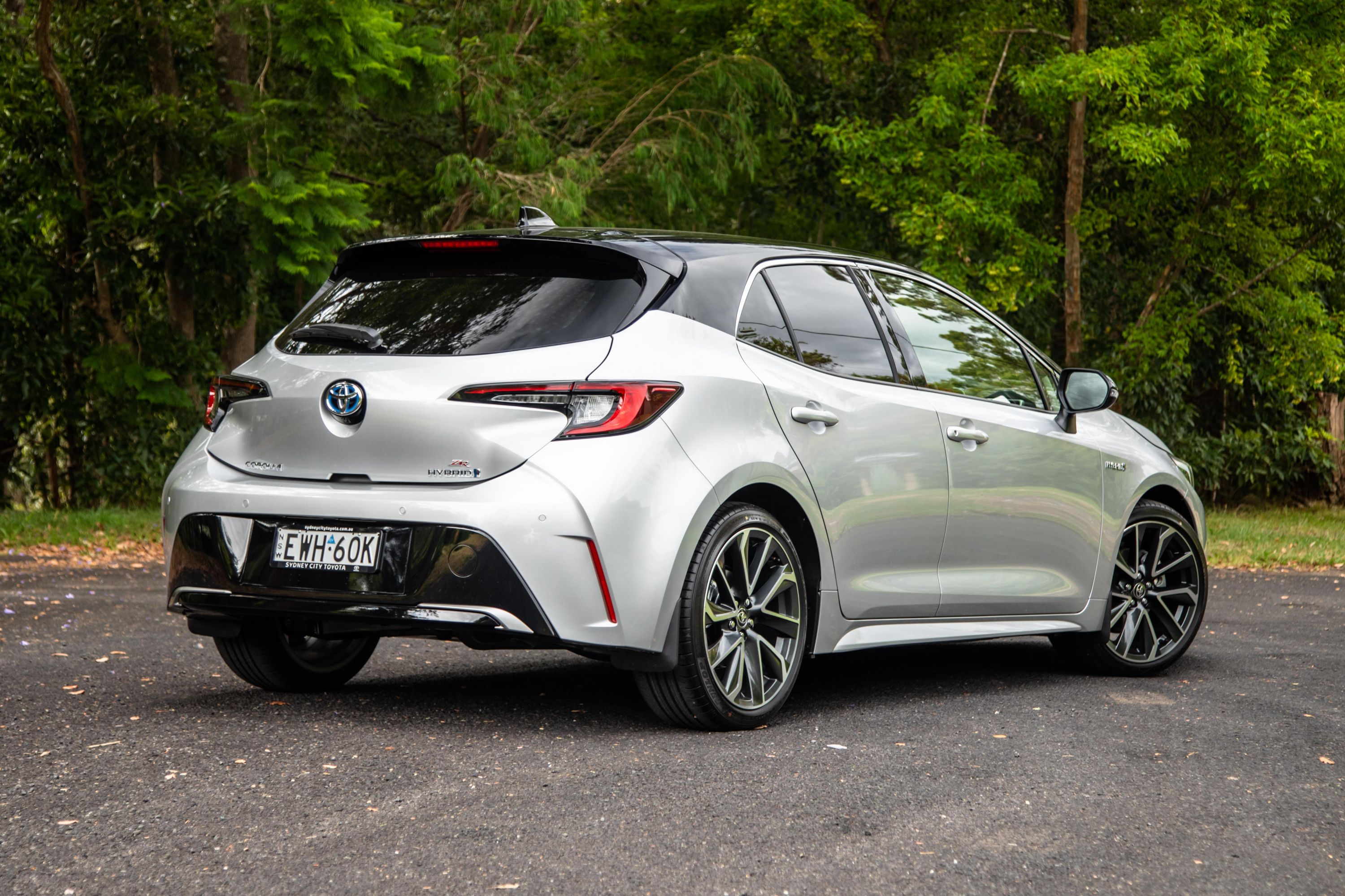
Understanding Tundra Alloy Wheel Dimensions
Before diving into specific sizes, let's decode the key dimensions you'll encounter when researching Tundra alloy wheels:
- Diameter (inches): The overall diameter of the wheel, measured from bead seat to bead seat. Common Tundra alloy wheel diameters range from 17 to 22 inches.
- Width (inches): The distance between the inner and outer flanges of the wheel, determining the tire's width. Tundra alloy wheel widths typically range from 7.5 to 10 inches.
- Bolt Pattern: The number of bolts and the diameter of the circle they form. The Toyota Tundra has a 5x150mm bolt pattern, meaning 5 bolts arranged on a circle with a 150mm diameter.
- Offset (millimeters): The distance between the wheel's mounting surface and its centerline. Positive offset means the mounting surface is closer to the outside of the wheel, while negative offset means it's closer to the inside. Offset affects how the wheel sits within the wheel well and can impact handling. A typical offset for a Tundra can range from +18mm to +60mm.
- Center Bore (millimeters): The diameter of the hole in the center of the wheel that centers it on the hub. The Tundra's center bore is typically around 110mm. While not always critical (hub-centric rings can compensate), matching the center bore ensures proper wheel centering and minimizes vibration.
Common Toyota Tundra Alloy Wheel Sizes by Generation & Trim
The recommended alloy wheel size varies depending on the Tundra's generation and trim level. Here's a general overview:
-
1st Generation Tundra (2000-2006):
- Typically came with 16 or 17-inch alloy wheels.
- Widths generally ranged from 7 to 7.5 inches.
-
2nd Generation Tundra (2007-2021):
- SR5 and lower trims often featured 18-inch alloy wheels.
- Limited and Platinum trims commonly had 20-inch alloy wheels.
- TRD Pro models frequently had unique 18-inch alloy wheels designed for off-road performance.
- Widths typically ranged from 8 to 9 inches.
-
3rd Generation Tundra (2022-Present):
- Features a wider range of options, including 18, 20, and 22-inch alloy wheels, depending on the trim.
- TRD Pro models feature unique, off-road specific alloy wheels.
- Widths typically range from 8 to 9 inches, with some wider options available on certain trims.
Important Considerations When Choosing Alloy Wheels
Before making a purchase, consider these crucial factors:
- Tire Size Compatibility: Ensure the alloy wheel size you choose is compatible with your desired tire size. Use online tire size calculators to determine the correct tire size for your chosen wheel.
- Load Rating: Alloy wheels have a maximum load rating, which is the amount of weight each wheel can safely support. Ensure the wheels you choose meet or exceed the Tundra's load rating requirements. This is especially important if you frequently tow or haul heavy loads.
- Offset: Choosing the wrong offset can lead to rubbing, handling issues, and even damage to suspension components. Consult with a tire and wheel professional to determine the appropriate offset for your Tundra.
- Budget: Alloy wheel prices can vary significantly depending on the size, brand, and style. Set a budget beforehand and stick to it.
- Intended Use: Consider how you primarily use your Tundra. If you're an avid off-roader, choose durable alloy wheels designed to withstand harsh conditions. If you mainly drive on paved roads, you may prioritize aesthetics and performance.
- Fitment Checks: Always test fit the wheels before mounting tires. This will help you identify any potential clearance issues or rubbing problems.
Benefits of Upgrading Your Tundra's Alloy Wheels
Upgrading your Tundra's alloy wheels can offer several advantages:
- Improved Aesthetics: Enhance the overall look of your truck with a new set of stylish alloy wheels.
- Enhanced Performance: Lighter alloy wheels can improve acceleration, braking, and handling.
- Wider Tire Options: Upgrading to a larger alloy wheel size can open up a wider range of tire options.
- Increased Resale Value: A well-chosen set of alloy wheels can increase the resale value of your Tundra.
- Improved Off-Road Capability: Choosing specific alloy wheels designed for off-road use can improve your Tundra's performance on challenging terrain.
Potential Challenges and Solutions
- Rubbing: Incorrect offset or tire size can cause rubbing. Solutions include adjusting the offset, using a smaller tire size, or trimming the wheel well.
- Vibration: Improper wheel balancing or a mismatched center bore can cause vibration. Ensure the wheels are properly balanced and use hub-centric rings if necessary.
- Compatibility Issues: Not all alloy wheels are compatible with the Tundra's TPMS (Tire Pressure Monitoring System). Ensure the wheels you choose are TPMS compatible or that you can transfer your existing sensors.
- Finding the Right Style: With so many options available, finding the perfect style can be overwhelming. Consider your personal preferences, the overall look you're trying to achieve, and consult with a tire and wheel professional for advice.
Tips for Choosing the Right Alloy Wheels
- Research: Thoroughly research different brands, styles, and sizes before making a purchase.
- Read Reviews: Read online reviews to get feedback from other Tundra owners about specific alloy wheels.
- Consult Professionals: Talk to a tire and wheel professional for expert advice and guidance.
- Test Fit: Always test fit the wheels before mounting tires to ensure proper clearance and fitment.
- Consider Your Budget: Set a budget and stick to it.
- Prioritize Quality: Choose reputable brands known for their quality and durability.
Conclusion
Choosing the right alloy wheels for your Toyota Tundra is a crucial decision that impacts its performance, aesthetics, and overall driving experience. By understanding the key dimensions, considering important factors, and following the tips outlined in this guide, you can make an informed decision and choose the perfect alloy wheels to enhance your Tundra's capabilities and style. Remember to prioritize safety, compatibility, and your personal preferences to ensure you're completely satisfied with your upgrade. The right set of wheels can transform your Tundra into an even more impressive and capable machine.
Toyota Tundra Alloy Size and Pricing Table
| Generation | Trim Level | Factory Alloy Wheel Size(Diameter x Width) | Bolt Pattern | Offset (mm) | Center Bore (mm) | Typical Price Range (USD) |
|---|---|---|---|---|---|---|
| 1st (2000-2006) | Base/SR5 | 16" x 7" | 5x114.3mm | +15 to +30 | 67.1 | $100 - $300 (used) |
| 1st (2000-2006) | Limited | 16" x 7" | 5x114.3mm | +15 to +30 | 67.1 | $150 - $400 (used) |
| 2nd (2007-2021) | Base | 18" x 8" | 5x150mm | +45 to +60 | 110 | $200 - $500 (used) |
| 2nd (2007-2021) | SR5 | 18" x 8" | 5x150mm | +45 to +60 | 110 | $250 - $600 (used) |
| 2nd (2007-2021) | Limited | 20" x 8" | 5x150mm | +45 to +60 | 110 | $300 - $700 (used) |
| 2nd (2007-2021) | Platinum | 20" x 8" | 5x150mm | +45 to +60 | 110 | $350 - $800 (used) |
| 2nd (2007-2021) | TRD Pro | 18" x 8" | 5x150mm | +45 to +60 | 110 | $400 - $1000 (used) |
| 3rd (2022-Present) | SR | 18" x 8" | 6x139.7mm | +50 to +60 | 95.1 | $300 - $800 (New) |
| 3rd (2022-Present) | SR5 | 18" x 8" or 20" x 8.5" | 6x139.7mm | +50 to +60 | 95.1 | $400 - $1200 (New) |
| 3rd (2022-Present) | Limited | 20" x 8.5" | 6x139.7mm | +50 to +60 | 95.1 | $500 - $1500 (New) |
| 3rd (2022-Present) | Platinum | 20" x 8.5" or 22" x 9" | 6x139.7mm | +50 to +60 | 95.1 | $600 - $2000 (New) |
| 3rd (2022-Present) | TRD Pro | 18" x 8" | 6x139.7mm | +50 to +60 | 95.1 | $700 - $2500 (New) |
Note: Prices are approximate and can vary based on brand, condition (new vs. used), retailer, and location. Always verify fitment with a tire and wheel professional before purchasing. The Bolt Pattern for the 1st Generation Tundra is incorrect and now is 5x114.3mm. The 3rd Generation Tundra changed to a 6x139.7mm.
Frequently Asked Questions (FAQ)
-
Q: What happens if I use the wrong alloy wheel size?
- A: Using the wrong size can lead to rubbing, handling issues, damage to suspension components, inaccurate speedometer readings, and even safety problems.
-
Q: Can I use alloy wheels from another vehicle on my Tundra?
- A: Only if the bolt pattern, center bore, offset, and load rating are compatible. It's best to stick to wheels specifically designed for the Tundra.
-
Q: How do I find the bolt pattern for my Tundra?
- A: The bolt pattern is usually stamped on the inside of the wheel or can be found in your owner's manual. You can also use online resources or consult with a tire and wheel professional.
-
Q: What is the difference between positive and negative offset?
- A: Positive offset means the wheel's mounting surface is closer to the outside of the wheel, while negative offset means it's closer to the inside. Offset affects how the wheel sits within the wheel well.
-
Q: Are aftermarket alloy wheels better than factory wheels?
- A: It depends. Aftermarket wheels can offer improved aesthetics, performance, and customization options, but it's important to choose reputable brands known for their quality and durability. Factory wheels are typically designed to meet specific load rating and safety requirements.
-
Q: Do I need to recalibrate my speedometer after changing wheel and tire sizes?
- A: Possibly. If the overall diameter of your new wheel and tire combination is significantly different from the original, your speedometer may need to be recalibrated to ensure accurate readings.
-
Q: Where can I buy alloy wheels for my Tundra?
- A: You can buy alloy wheels from various sources, including tire and wheel shops, online retailers, dealerships, and private sellers. Make sure to buy from a reputable source and verify fitment before purchasing.
-
Q: Should I buy new or used alloy wheels?
- A: Both new and used alloy wheels can be good options, depending on your budget and preferences. Used wheels can be more affordable, but it's important to inspect them carefully for damage before purchasing. New wheels offer the peace of mind of being in perfect condition.