
Guyana, a land of lush rainforests, winding rivers, and burgeoning industries, relies heavily on a robust transportation network. And at the heart of this network are trucks. From hauling bauxite and timber to delivering essential goods to remote communities, trucks are the lifeblood of Guyana's economy and the key to connecting its diverse landscape. Understanding the role, types, and challenges associated with trucks in Guyana is crucial to appreciating the country's infrastructural landscape and its future development. This article delves into the world of trucks in Guyana, exploring their significance, different types, operational considerations, and the challenges they face.
1. The Indispensable Role of Trucks in Guyana's Economy
Trucks in Guyana: The Backbone of a Nation in Motion
Trucks are far more than just vehicles in Guyana; they are essential infrastructure. Consider these crucial roles:
- Resource Extraction and Transport: Guyana's economy is heavily reliant on its natural resources, particularly bauxite, timber, gold, and increasingly, oil. Trucks are the primary means of transporting these raw materials from extraction sites, often located in remote interior regions, to processing plants, ports, and export terminals. Without a reliable trucking system, these vital industries would grind to a halt.
- Supply Chain Logistics: From food and medicine to construction materials and consumer goods, trucks are responsible for the efficient distribution of essential supplies throughout the country. They connect urban centers with rural communities, ensuring that even the most isolated areas have access to necessary resources. The ability to maintain consistent supply chains is critical for economic stability and quality of life.
- Construction and Infrastructure Development: Guyana is currently experiencing a period of rapid infrastructure development, with new roads, bridges, and buildings being constructed across the country. Trucks play a vital role in transporting heavy equipment, construction materials like cement, steel, and aggregates to construction sites, contributing directly to the nation's modernization.
- Agricultural Support: Agriculture remains a significant sector in Guyana. Trucks facilitate the transport of agricultural produce from farms to markets, processing plants, and export facilities. This ensures that farmers can effectively sell their goods and that consumers have access to fresh and affordable food.
In essence, trucks are the invisible engine driving Guyana's economic growth and connecting its disparate regions.
2. A Diverse Fleet: Types of Trucks Operating in Guyana
The specific type of truck used in Guyana depends heavily on the task at hand and the terrain involved. Here's a breakdown of the most common types:
- Light-Duty Trucks (Pickups & Vans): These are the workhorses of smaller businesses and individual entrepreneurs. They're used for everything from delivering small packages to transporting personnel and equipment. Popular brands include Toyota Hilux, Ford Ranger, and Nissan Navara.
- Medium-Duty Trucks (Box Trucks & Flatbeds): These are typically used for local deliveries, transporting construction materials, and moving larger quantities of goods within urban areas. They offer a balance between payload capacity and maneuverability.
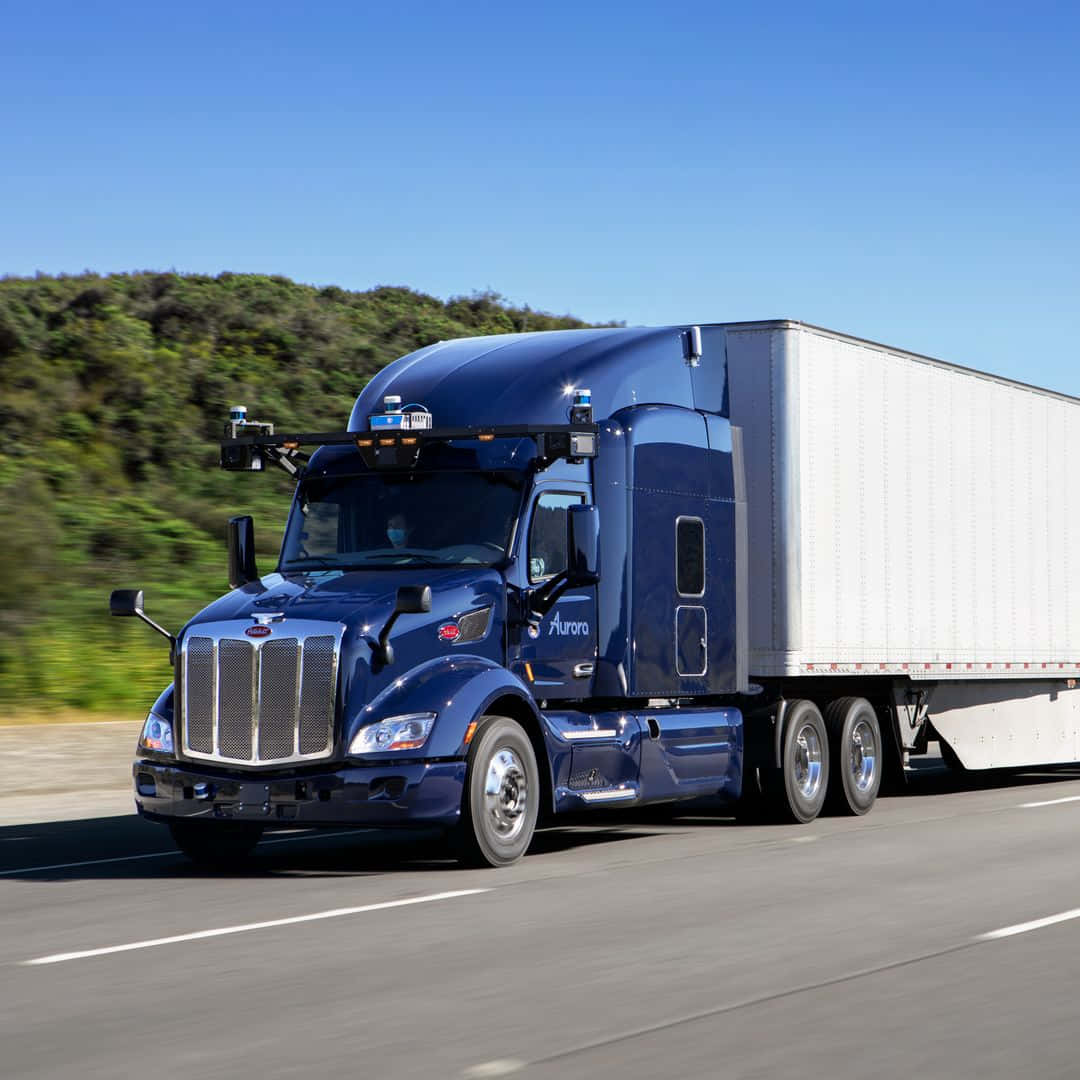
- Heavy-Duty Trucks (Tractor-Trailers & Dump Trucks): These are the giants of the road, used for long-haul transport of goods and materials. Tractor-trailers haul containers from ports to inland destinations, while dump trucks transport aggregates, sand, and gravel for construction projects. Brands like Mack, Volvo, and Kenworth are common.
- Specialized Trucks: These trucks are designed for specific purposes. Examples include:
- Tanker Trucks: Used for transporting liquids like fuel, water, and chemicals.
- Refrigerated Trucks: Used for transporting perishable goods like fruits, vegetables, and meat.
- Logging Trucks: Specifically designed to haul logs from forestry operations.
- Mining Trucks: Heavy-duty trucks designed for operation in mines, often with larger capacities than standard highway trucks.
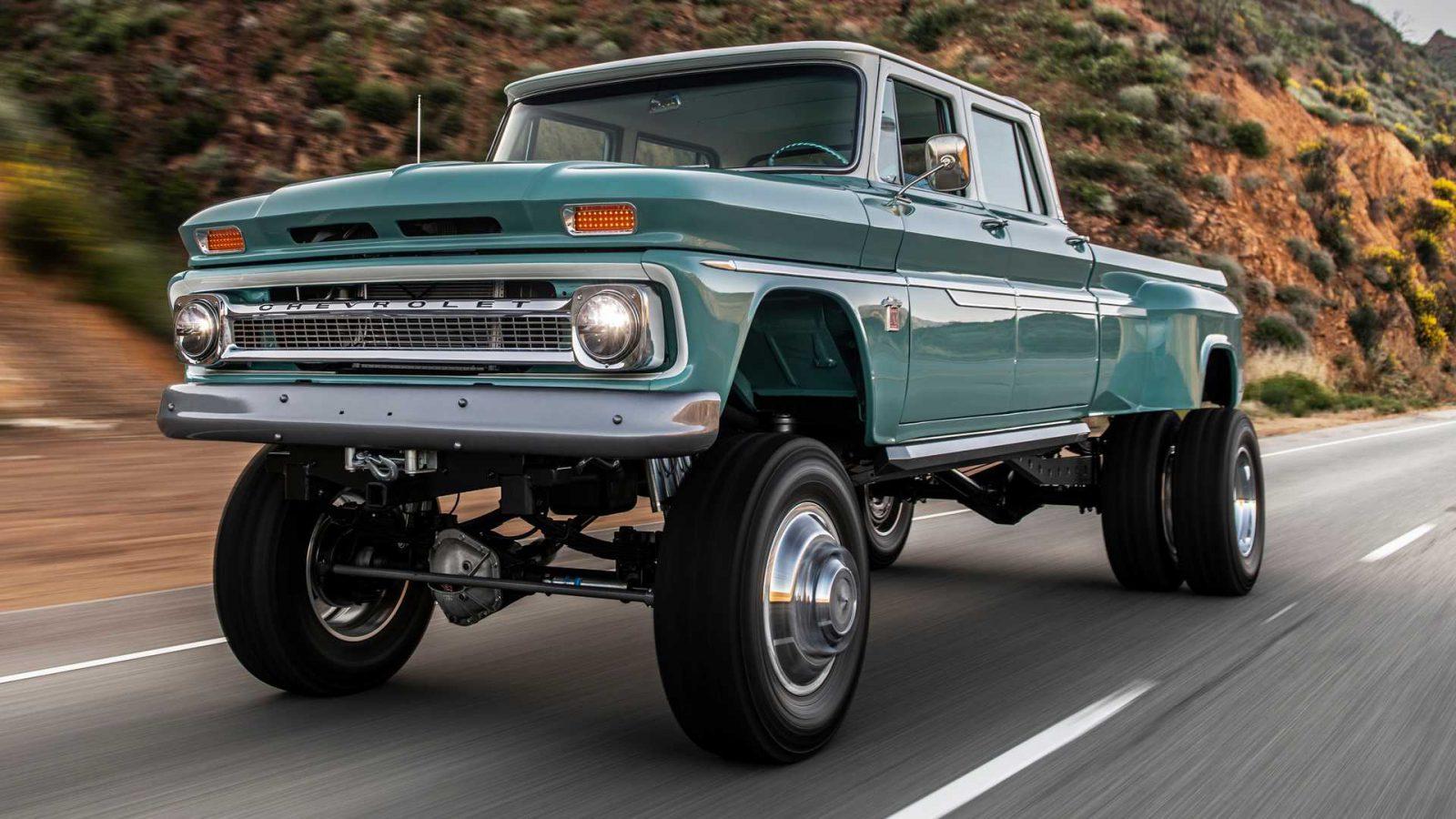
- 4x4 Trucks: Essential for accessing remote and challenging terrains, particularly in the interior regions of Guyana. These trucks are equipped with four-wheel drive systems for enhanced traction and off-road capabilities.

3. Operational Considerations: Navigating Guyana's Roads
Operating trucks in Guyana presents unique challenges and considerations:
- Road Conditions: While significant investments are being made in infrastructure, road conditions vary widely across the country. Many interior roads are unpaved, poorly maintained, and subject to flooding during the rainy season. This requires robust vehicles and experienced drivers.
- Maintenance and Repair: Access to qualified mechanics and spare parts can be limited, especially in remote areas. Regular maintenance is crucial to prevent breakdowns and minimize downtime. Sourcing reliable spare parts can also be costly.
- Driver Training and Safety: Proper driver training is essential for safe and efficient truck operation. This includes training in defensive driving techniques, load securing, and vehicle maintenance. Adherence to safety regulations is paramount to prevent accidents.
- Fuel Costs: Fuel prices in Guyana can be relatively high, impacting the profitability of trucking operations. Efficient fuel management practices, such as proper tire inflation and optimized driving techniques, can help to mitigate these costs.
- Regulatory Compliance: Trucking operators must comply with various regulations related to vehicle registration, licensing, load limits, and safety standards. Understanding and adhering to these regulations is essential for avoiding fines and penalties.
- Environmental Considerations: Trucking operations contribute to air pollution and greenhouse gas emissions. Adopting environmentally friendly practices, such as using fuel-efficient vehicles and minimizing idling, can help to reduce the environmental impact.
4. Challenges and Solutions in the Trucking Industry
The trucking industry in Guyana faces several challenges that need to be addressed to ensure its continued growth and sustainability:
- Poor Road Infrastructure: As mentioned earlier, inadequate road infrastructure remains a major obstacle. Solution: Continued investment in road construction and maintenance is crucial to improve accessibility and reduce transportation costs. Public-private partnerships can play a significant role in financing these projects.
- Lack of Skilled Labor: There is a shortage of qualified truck drivers, mechanics, and logistics professionals. Solution: Implementing vocational training programs and apprenticeship schemes can help to develop a skilled workforce for the trucking industry.
- High Operating Costs: Fuel prices, maintenance costs, and regulatory compliance expenses can significantly impact the profitability of trucking operations. Solution: Government policies aimed at reducing fuel taxes, providing subsidies for maintenance, and streamlining regulatory processes can help to alleviate these burdens.
- Inefficient Logistics: Inefficient logistics processes can lead to delays, increased costs, and reduced competitiveness. Solution: Investing in modern logistics technologies, such as GPS tracking, fleet management software, and electronic data interchange (EDI), can improve efficiency and transparency.
- Security Concerns: Theft and vandalism can be a concern, especially in certain areas. Solution: Implementing security measures, such as GPS tracking, security cameras, and security personnel, can help to deter criminal activity.
5. Tips for Truck Owners and Operators in Guyana
Here are some practical tips for truck owners and operators in Guyana:
- Invest in Durable Vehicles: Choose trucks that are known for their reliability and durability, especially models that are well-suited to the challenging road conditions in Guyana.
- Prioritize Regular Maintenance: Implement a comprehensive maintenance schedule and ensure that all vehicles are regularly serviced by qualified mechanics.
- Train Your Drivers: Provide comprehensive training to your drivers on safe driving techniques, load securing, and vehicle maintenance.
- Utilize Technology: Embrace technology to improve efficiency and reduce costs. Consider using GPS tracking, fleet management software, and electronic data interchange (EDI).
- Comply with Regulations: Ensure that you are fully compliant with all relevant regulations related to vehicle registration, licensing, load limits, and safety standards.
- Build Strong Relationships: Develop strong relationships with suppliers, customers, and other stakeholders in the trucking industry.
- Plan Ahead: Anticipate potential challenges and develop contingency plans to mitigate risks.
6. The Future of Trucking in Guyana
The future of trucking in Guyana is bright, driven by the country's economic growth and increasing infrastructure development. As Guyana's economy continues to expand, the demand for efficient and reliable transportation services will only increase. Key trends that will shape the future of trucking in Guyana include:
- Increased Automation: The adoption of automation technologies, such as autonomous driving systems and robotic loading and unloading equipment, will improve efficiency and reduce labor costs.
- Electrification: The shift towards electric vehicles will reduce greenhouse gas emissions and improve air quality. While the adoption of electric trucks is still in its early stages in Guyana, it is likely to become more prevalent in the coming years.
- Data Analytics: The use of data analytics will enable trucking operators to optimize routes, improve fuel efficiency, and reduce maintenance costs.
- Sustainable Practices: The increasing focus on sustainability will drive the adoption of environmentally friendly practices, such as using alternative fuels and minimizing waste.
Table Price Containing Information About Trucks In Guyana
| Truck Type | Brand (Example) | Model (Example) | Approximate Price (USD) | Typical Use | Key Features |
|---|---|---|---|---|---|
| Light-Duty Pickup | Toyota | Hilux | $30,000 - $50,000 | Personal transport, small business deliveries, light construction work | 4x4 capability, durable build, fuel efficiency (relative to larger trucks) |
| Medium-Duty Box Truck | Isuzu | NPR | $45,000 - $75,000 | Local deliveries, furniture moving, transporting goods within city limits | Box body for secure transport, liftgate option, moderate payload capacity |
| Heavy-Duty Tractor | Mack | Granite | $120,000 - $200,000+ | Long-haul transport, container hauling, transporting heavy machinery | Powerful engine, high payload capacity, durable chassis, designed for towing trailers |
| Dump Truck | Volvo | FMX | $150,000 - $250,000+ | Construction sites, hauling aggregates, transporting sand and gravel | Heavy-duty construction, hydraulic lift system for dumping, reinforced body |
| Logging Truck | Western Star | 4900 | $180,000 - $300,000+ | Forestry operations, hauling logs from forests to sawmills | Strong frame, powerful engine, specialized log bunks, designed for off-road conditions |
| Tanker Truck | Peterbilt | 389 | $170,000 - $280,000+ | Transporting liquids (fuel, water, chemicals) | Tanker body, safety features (e.g., rollover protection), specialized pumping systems |
Note: Prices are approximate and can vary depending on the specific configuration, options, year, and dealer.
7. Frequently Asked Questions (FAQ) about Trucks in Guyana
- Q: What are the most popular truck brands in Guyana?
- A: Toyota, Ford, Nissan, Mack, Volvo, and Isuzu are among the most popular brands.
- Q: What is the best type of truck for navigating Guyana's interior roads?
- A: 4x4 trucks are essential for accessing remote areas with unpaved and challenging terrain.
- Q: What are the main challenges facing the trucking industry in Guyana?
- A: Poor road infrastructure, lack of skilled labor, high operating costs, and inefficient logistics are among the main challenges.
- Q: What regulations do truck operators need to comply with in Guyana?
- A: Truck operators need to comply with regulations related to vehicle registration, licensing, load limits, and safety standards.
- Q: How can truck operators improve fuel efficiency in Guyana?
- A: Proper tire inflation, optimized driving techniques, and regular vehicle maintenance can help to improve fuel efficiency.
- Q: Where can I find spare parts for trucks in Guyana?
- A: Spare parts can be found at authorized dealerships, independent auto parts stores, and online retailers.
- Q: Are there any government incentives for truck owners in Guyana?
- A: Government incentives may be available from time to time. Check with relevant government agencies for the latest information.
Conclusion
Trucks are the unsung heroes of Guyana's economy, connecting its diverse regions and facilitating the transport of essential goods and resources. While the industry faces significant challenges, ongoing investments in infrastructure, training, and technology are paving the way for a brighter future. By understanding the role, types, operational considerations, and challenges associated with trucks in Guyana, we can better appreciate the critical role they play in the nation's development and the opportunities that lie ahead. As Guyana continues to grow and modernize, the trucking industry will undoubtedly remain a vital component of its success.