Truck caps, also known as truck toppers or bed caps, are versatile accessories that significantly enhance the utility and functionality of pickup trucks. They provide secure storage, weather protection, and even sleeping quarters for outdoor enthusiasts. However, choosing the right truck cap involves more than just aesthetics; the height of the cap plays a crucial role in its usability and overall suitability for your needs. This comprehensive guide will delve into the various aspects of truck cap height, helping you make an informed decision that optimizes your truck's capabilities.
Introduction: Why Truck Cap Height Matters
Height of Truck Cap: A Comprehensive Guide to Choosing the Right Fit
The height of a truck cap refers to the vertical distance from the truck bed rails to the top of the cap. It's a critical dimension that influences several factors, including:
- Cargo Capacity: A taller cap provides more vertical space, allowing you to carry taller items such as furniture, appliances, or camping gear.
- Accessibility: The cap height affects how easily you can access items stored in the truck bed. Taller caps can offer more headroom for loading and unloading.
- Aerodynamics: While subtle, cap height can impact the aerodynamics of your truck. A taller cap might create more wind resistance, potentially affecting fuel efficiency.
- Aesthetics: The cap's height significantly influences the overall appearance of your truck. Choosing a height that complements your truck's style is essential for visual appeal.
- Functionality: If you plan on using your truck cap for camping or sleeping, the height will determine how comfortable you are inside.

Understanding these factors will help you choose a truck cap height that perfectly balances your needs and preferences.
Section 1: Understanding Different Truck Cap Heights
Truck caps are generally categorized into three main height profiles:
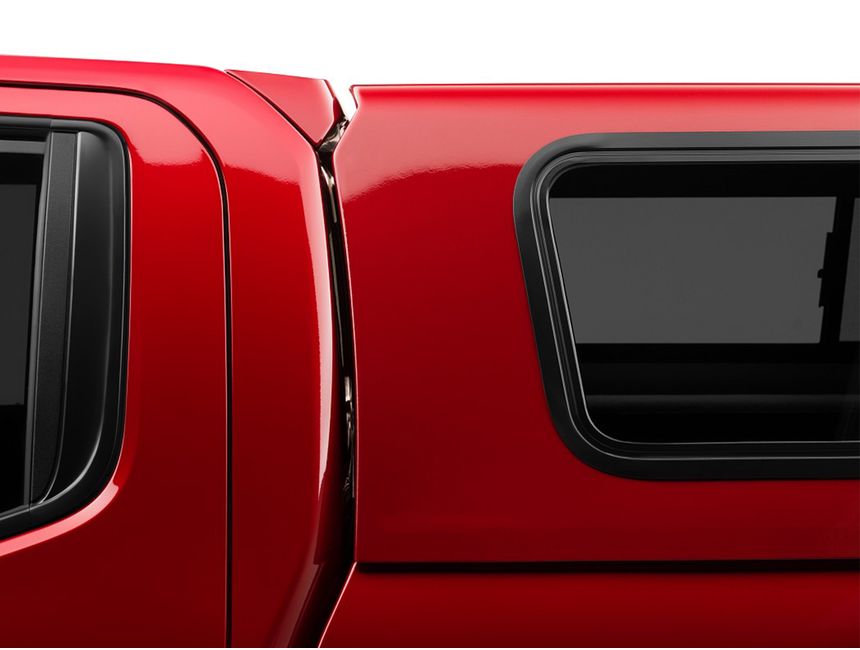
Cab-High Caps: These caps are designed to be roughly the same height as the truck's cab. They offer a sleek, streamlined appearance and minimal impact on fuel economy. Cab-high caps are a popular choice for everyday use and provide decent cargo space for general items.
- Pros: Aesthetically pleasing, good fuel economy, relatively inexpensive.
- Cons: Limited vertical cargo space, may not be suitable for taller items.
-
Mid-Rise Caps: Mid-rise caps are slightly taller than the truck cab, providing additional headroom and cargo space. They offer a good balance between functionality and aesthetics. Mid-rise caps are ideal for those who occasionally need to transport taller items or prefer a bit more headroom.
- Pros: Increased cargo space, improved accessibility, still maintains a relatively sleek appearance.
- Cons: Slightly more expensive than cab-high caps, minor impact on fuel economy.
-
High-Rise Caps (or Camper Shells): These caps are significantly taller than the truck cab, offering maximum cargo space and headroom. They are often used for camping, work trucks, or transporting large and bulky items. High-rise caps provide the most versatility but may affect fuel economy and aesthetics.
- Pros: Maximum cargo space, excellent accessibility, suitable for camping and sleeping.
- Cons: Less aerodynamic, potentially reduced fuel economy, may alter the truck's appearance.
Section 2: Factors to Consider When Choosing a Truck Cap Height
Before purchasing a truck cap, carefully consider the following factors:
- Intended Use: What will you primarily use the truck cap for? If you mainly haul groceries and everyday items, a cab-high cap might suffice. If you plan on camping, transporting furniture, or using the truck for work, a mid-rise or high-rise cap would be more suitable.
- Cargo Requirements: What types of items will you be transporting? Measure the height of the tallest items you anticipate carrying to ensure they will fit comfortably under the cap.
- Accessibility Needs: How important is it to easily access items in the truck bed? A taller cap provides more headroom and makes it easier to load and unload cargo.
- Truck Bed Length: The length of your truck bed will influence the overall proportions of the cap. A taller cap might look disproportionate on a shorter bed, while a cab-high cap might look too small on a longer bed.
- Personal Preference: Ultimately, the best truck cap height is the one that you find most aesthetically pleasing and functional. Consider your personal style and needs when making your decision.
- Budget: Truck cap prices vary depending on height, materials, features, and brand. Set a budget before you start shopping and stick to it.
Section 3: Installing a Truck Cap (General Overview)
While professional installation is recommended, installing a truck cap yourself is possible with the right tools and instructions. Here's a general overview of the process:
- Preparation: Clean the truck bed rails thoroughly and apply weather stripping to prevent leaks.
- Lifting and Positioning: Carefully lift the truck cap onto the truck bed, aligning it with the bed rails. Use multiple people for this step to avoid damage.
- Clamping: Secure the cap to the truck bed using clamps specifically designed for truck caps. Ensure the clamps are evenly spaced and tightened according to the manufacturer's instructions.
- Wiring (if applicable): If your cap has interior lights or other electrical features, wire them to the truck's electrical system.
- Testing: Test the cap's seals and latches to ensure they are working properly.
Important Note: Always consult the truck cap manufacturer's instructions for specific installation procedures.
Section 4: Maintaining Your Truck Cap
Proper maintenance will extend the life of your truck cap and keep it looking its best. Here are some tips:
- Regular Cleaning: Wash the cap regularly with soap and water to remove dirt, grime, and road salt.
- Waxing: Apply a coat of wax to protect the cap's finish from UV rays and oxidation.
- Seal Inspection: Regularly inspect the cap's seals for cracks or damage. Replace any damaged seals to prevent leaks.
- Latch Maintenance: Lubricate the cap's latches and hinges to keep them working smoothly.
- Clamp Tightening: Periodically check the clamps to ensure they are still securely tightened.
Section 5: Potential Challenges and Solutions
- Finding the Right Fit: Ensure the cap is designed specifically for your truck's make, model, and bed length.
- Solution: Consult with a reputable truck cap dealer who can help you find the perfect fit.
- Leaks: Leaks can occur if the cap is not properly sealed or installed.
- Solution: Use high-quality weather stripping and ensure the clamps are tightened properly. If leaks persist, consult a professional installer.
- Reduced Fuel Economy (High-Rise Caps): Taller caps can increase wind resistance and reduce fuel economy.
- Solution: Consider a cab-high or mid-rise cap if fuel economy is a major concern.
- Difficulty Lifting: Truck caps can be heavy and difficult to lift.
- Solution: Enlist the help of several people or use a mechanical lifting device.
Section 6: Truck Cap Height and Resale Value
Adding a truck cap, regardless of its height, generally increases the resale value of your truck. A well-maintained cap protects the truck bed from damage and adds functionality that appeals to potential buyers. However, the impact on resale value can vary depending on the cap's condition, features, and the overall demand for trucks with caps.
Conclusion: Choosing the Right Height for Your Needs
Selecting the right truck cap height is a crucial decision that depends on your individual needs and preferences. By carefully considering the factors outlined in this guide, you can choose a cap that maximizes your truck's utility, enhances its appearance, and provides years of reliable service. Whether you prioritize fuel economy, cargo space, or aesthetics, there's a truck cap height that's perfect for you. Take your time, do your research, and choose wisely.
Table Price Height Of Truck Cap
| Height Type | Average Price (USD) | Material | Additional Features | Installation Cost (USD) | Typical Uses |
|---|---|---|---|---|---|
| Cab-High | $1,200 - $2,500 | Fiberglass/Aluminum | Sliding Windows, Interior Light | $100 - $300 | Everyday hauling, general cargo, maintaining factory look, improved security, weather protection |
| Mid-Rise | $1,500 - $3,000 | Fiberglass/Aluminum | Sliding Windows, Interior Light, Roof Racks | $150 - $350 | Increased cargo space, occasional tall items, camping, improved accessibility, more comfortable for dogs |
| High-Rise | $2,000 - $4,000 | Fiberglass/Aluminum | Sliding Windows, Interior Light, Roof Racks, Insulated Options | $200 - $400 | Camping, sleeping, work trucks, hauling large/tall items, mobile workshops, comfortable living space |
| Commercial (Work) | $2,500 - $5,000+ | Aluminum | Toolboxes, Ladder Racks, Interior Shelving | $250 - $500+ | Construction, service industries, electricians, plumbers, maximizing storage and organization, secure tool storage |
| Soft Topper | $700 - $1,500 | Canvas/Vinyl | Roll-Up Windows, Collapsible Design | $50 - $150 (often DIY) | Lightweight, easy to remove, temporary weather protection, budget-friendly, versatile for different cargo heights |
Note: These prices are estimates and can vary based on brand, features, location, and dealer. Installation costs can also fluctuate.
Frequently Asked Questions (FAQ)
-
Q: Will a truck cap affect my gas mileage?
- A: Yes, but the impact varies depending on the cap's height and weight. Cab-high caps have minimal impact, while high-rise caps can slightly reduce fuel economy.
-
Q: Are truck caps waterproof?
- A: Most truck caps are water-resistant, but not completely waterproof. Some water may seep in during heavy rain.
-
Q: Can I install a truck cap myself?
- A: Yes, but professional installation is recommended for best results and to ensure proper sealing.
-
Q: How do I choose the right size truck cap?
- A: Ensure the cap is designed specifically for your truck's make, model, and bed length. Consult with a reputable truck cap dealer for assistance.
-
Q: What is the best material for a truck cap?
- A: Fiberglass and aluminum are the most common materials. Fiberglass is durable and aesthetically pleasing, while aluminum is lightweight and strong.
-
Q: Do truck caps come with a warranty?
- A: Yes, most truck caps come with a warranty that covers defects in materials and workmanship.
-
Q: Can I get a custom-painted truck cap?
- A: Yes, many truck cap manufacturers offer custom painting to match your truck's color.
-
Q: How do I secure items inside my truck cap?
- A: Use tie-down straps, cargo nets, or bed dividers to secure items and prevent them from shifting during transport.
This guide provides a comprehensive overview of truck cap height and its various considerations. Remember to carefully assess your needs and preferences before making a purchase to ensure you choose the right truck cap for your truck.