Knowing the capacity of a dump truck is crucial for anyone involved in construction, landscaping, demolition, or any project requiring the hauling of materials like soil, gravel, asphalt, or debris. Understanding "How Many Yards Is A Dump Truck?" isn't just about filling it up; it's about optimizing efficiency, accurately estimating project costs, and complying with weight regulations. This article will delve into the factors that influence a dump truck's capacity, the different types of dump trucks, and provide practical advice for maximizing their utility. We'll also address common questions and potential challenges related to dump truck capacity.
Why Knowing Dump Truck Capacity Matters
How Many Yards Is A Dump Truck? A Comprehensive Guide
Before we dive into specific numbers, let's understand why this knowledge is so important:
- Accurate Material Estimation: Knowing the volume a dump truck can carry allows you to accurately estimate the amount of material needed for a project. This prevents over-ordering or under-ordering, saving you money and time.
- Cost Efficiency: Efficiently utilizing the dump truck's capacity reduces the number of trips required, thereby minimizing fuel consumption, labor costs, and overall project expenses.
- Legal Compliance: Exceeding a dump truck's weight limit can lead to fines and safety hazards. Understanding the volume and weight of materials a truck can legally carry is essential for compliance.
- Project Planning: Integrating dump truck capacity into your project plan allows for better scheduling, resource allocation, and overall project management.
Factors Influencing Dump Truck Capacity
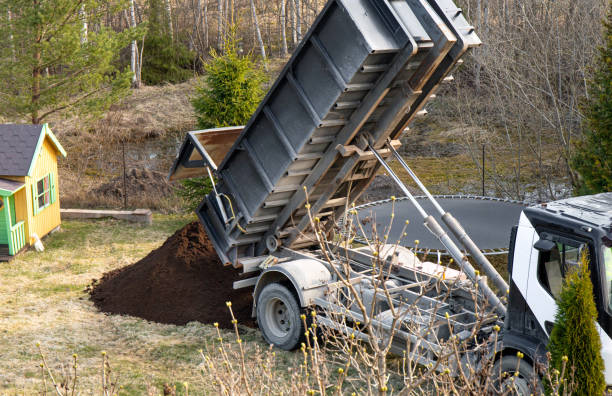
The capacity of a dump truck isn't a fixed number. Several factors play a role in determining how many cubic yards it can haul:
- Truck Size and Type: Dump trucks come in various sizes, from small single-axle models to large multi-axle vehicles. Each type has a different bed size and load capacity.
- Bed Dimensions: The length, width, and height of the dump truck bed directly determine its volume.
- Material Density: The density of the material being hauled significantly impacts the weight the truck can carry. For example, a truck might be able to carry its full volume of mulch, but only a portion of its volume in dense gravel before reaching its weight limit.
- Weight Restrictions: Local and federal regulations impose weight limits on vehicles using public roads. These restrictions limit the amount of material a dump truck can legally carry, regardless of its physical capacity.
- Bed Shape: The shape of the bed, particularly whether it's a straight-sided or tapered design, can influence the actual volume it can hold.

Types of Dump Trucks and Their Typical Capacities
Here's a breakdown of common dump truck types and their typical cubic yard capacities:

- Standard Dump Truck (Single Axle): These are smaller trucks, typically used for residential projects and smaller hauling jobs. They usually have a capacity of 8-10 cubic yards.
- Tandem Axle Dump Truck: These are the workhorses of the construction industry. They are more robust than single-axle trucks and can carry significantly more material. Their capacity typically ranges from 10-14 cubic yards.
- Tri-Axle Dump Truck: These trucks have three axles, allowing them to carry even heavier loads. They are commonly used for large-scale construction and demolition projects. Their capacity is generally 15-18 cubic yards.
- Quad Axle Dump Truck: Equipped with four axles, these are the largest dump trucks commonly found on roads. They offer the highest hauling capacity, typically ranging from 18-25 cubic yards.
- Semi-Trailer End Dump Truck: These consist of a tractor and a trailer, allowing for very large loads. Their capacity can range from 20-40 cubic yards or more, depending on the trailer size. However, they are often used for long-distance hauling rather than on-site work.
- Transfer Dump Truck: These trucks pull a separate trailer that can be filled independently. This allows for increased capacity and flexibility. Their combined capacity can range from 25-40 cubic yards.
Calculating Dump Truck Capacity
While the figures above provide a general guideline, it's best to calculate the exact capacity of a specific dump truck. Here's how:
- Measure the Bed: Measure the length, width, and height of the dump truck bed in feet. Ensure you are measuring the internal dimensions.
- Calculate the Volume in Cubic Feet: Multiply the length, width, and height (Length x Width x Height = Volume in cubic feet).
- Convert to Cubic Yards: Divide the volume in cubic feet by 27 (since 1 cubic yard = 27 cubic feet).
Example:
Let's say a dump truck bed measures 12 feet long, 8 feet wide, and 4 feet high.
- Volume in cubic feet: 12 ft x 8 ft x 4 ft = 384 cubic feet
- Volume in cubic yards: 384 cubic feet / 27 cubic feet/yard = 14.22 cubic yards
Therefore, this dump truck has a capacity of approximately 14.22 cubic yards.
Important Considerations: Weight vs. Volume
It's crucial to remember that dump trucks are limited by both volume and weight. Even if a truck has the volume capacity, it may not be able to carry a full load of dense materials like gravel or concrete due to weight restrictions.
- Material Density: Understand the density of the material you're hauling (measured in pounds per cubic yard or pounds per cubic foot). This information is often available from the supplier.
- Weight Limits: Know the legal weight limits for your truck and the roads you'll be using. These limits are typically posted at weigh stations and on highway signs.
- Calculate the Weight of a Full Load: Multiply the volume of the truck (in cubic yards) by the material's density (in pounds per cubic yard) to determine the total weight of a full load. Compare this to the truck's weight limit.
Tips for Maximizing Dump Truck Efficiency
- Choose the Right Truck: Select the appropriate size and type of dump truck based on the volume and density of the material you're hauling, as well as the accessibility of the job site.
- Proper Loading Techniques: Distribute the load evenly within the dump truck bed to maintain stability and prevent overloading specific axles.
- Regular Maintenance: Keep the dump truck in good working order with regular maintenance to ensure optimal performance and fuel efficiency.
- Efficient Routing: Plan routes carefully to minimize travel time and fuel consumption.
- Driver Training: Train drivers on proper loading and unloading techniques, as well as safe driving practices.
Potential Challenges and Solutions
- Overloading: The biggest challenge is avoiding overloading. Use a load scale to accurately measure the weight of the material being loaded. Train operators to recognize when a truck is nearing its weight limit based on visual cues and experience.
- Material Spillage: Secure loads properly with tarps or nets to prevent material spillage during transport, which can lead to fines and safety hazards.
- Access Limitations: Consider the accessibility of the job site when choosing a dump truck. Larger trucks may not be suitable for tight spaces or areas with limited access.
Price Table of Dump Trucks by Capacity
| Dump Truck Type | Capacity (Cubic Yards) | Estimated Purchase Price (New) | Estimated Rental Price (Daily) |
|---|---|---|---|
| Standard Dump Truck | 8-10 | $80,000 - $120,000 | $200 - $400 |
| Tandem Axle Dump Truck | 10-14 | $120,000 - $180,000 | $300 - $600 |
| Tri-Axle Dump Truck | 15-18 | $180,000 - $250,000 | $400 - $800 |
| Quad Axle Dump Truck | 18-25 | $250,000 - $350,000 | $500 - $1000 |
| Semi-Trailer End Dump Truck | 20-40+ | $150,000 - $300,000+ (tractor and trailer) | $600 - $1200+ (tractor and trailer) |
| Transfer Dump Truck | 25-40 | $200,000 - $350,000+ (truck and trailer) | $700 - $1400+ (truck and trailer) |
Note: Prices are estimates and can vary significantly based on brand, features, location, and market conditions.
Frequently Asked Questions (FAQ)
-
Q: How do I know the exact capacity of a specific dump truck?
- A: The best way is to measure the internal dimensions of the bed and calculate the volume in cubic yards. Refer to the calculation steps outlined earlier. Also, check the manufacturer's specifications for the truck model.
-
Q: Can I overload a dump truck if I'm only hauling lightweight material?
- A: While you may not exceed the weight limit with lightweight material, overloading by volume can still cause instability and handling issues, potentially leading to accidents.
-
Q: What are the consequences of overloading a dump truck?
- A: Overloading can result in fines, vehicle damage, increased wear and tear, and safety hazards. It can also void warranties and insurance coverage.
-
Q: Where can I find information on weight limits for trucks in my area?
- A: Contact your local Department of Transportation (DOT) or highway patrol for information on weight limits and regulations.
-
Q: Is it better to rent or buy a dump truck?
- A: The decision to rent or buy depends on your specific needs and circumstances. Renting is a good option for occasional use, while buying is more cost-effective for frequent or long-term projects.
Conclusion
Understanding "How Many Yards Is A Dump Truck?" is essential for efficient project management, cost control, and legal compliance in any field that involves hauling materials. By considering the factors influencing capacity, choosing the right truck for the job, and adhering to weight restrictions, you can maximize the utility of dump trucks and ensure the success of your projects. Remember to prioritize safety and efficiency by training drivers, performing regular maintenance, and implementing proper loading techniques. With the knowledge gained from this guide, you'll be well-equipped to make informed decisions about dump truck capacity and optimize your material hauling operations.